NASA concludes year-long Mars habitat simulation in Houston
Four volunteers have emerged from a simulated Martian environment after 378 days, providing NASA with data on human health and performance in isolated, long-duration missions.
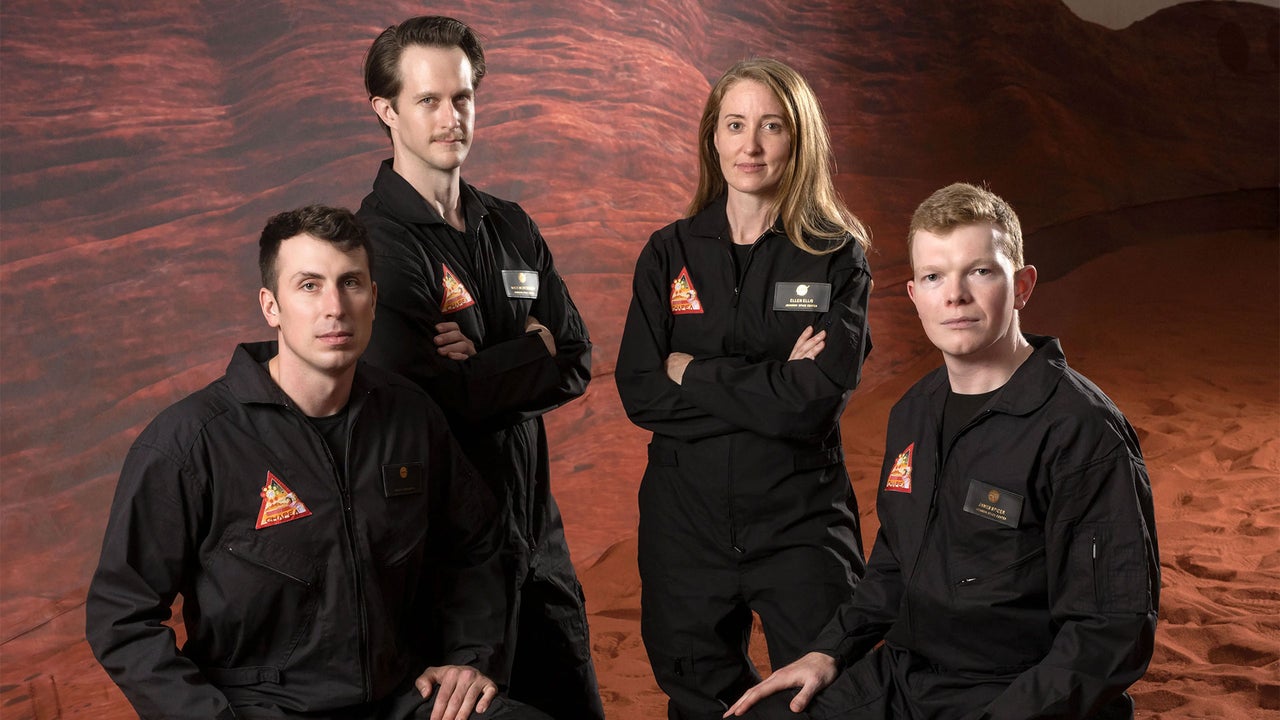
A four-person crew has completed a 378-day isolation mission at NASA’s Johnson Space Center in Houston. The CHAPEA (Crew Health and Performance Exploration Analog) mission was designed to replicate the logistical, medical, and psychological challenges astronauts would face during a long-duration stay on the surface of Mars.
The crew resided in a 1,700-square-foot 3D-printed facility, which served as a controlled laboratory for studying human endurance. Throughout the year, researchers introduced environmental stressors including simulated equipment failures, resource constraints, and significant communication delays that mirror the time lag required for signals to travel between Earth and Mars.
NASA officials state that the data collected during this study is vital for planning future lunar and planetary missions. The crew will now undergo a two-week debriefing period, during which scientists will evaluate the physiological and psychological impacts of the extended confinement to inform the safety requirements for future deep-space exploration.