Nearly 75% of German Biogas Plants Have Significant Defects, DUH Reports
A recent report reveals that around 71% of German biogas plants exhibit significant safety and environmental deficiencies, including methane leaks. The German Environmental Aid (DUH) organization criticizes authorities for systemic failures and questions government plans.
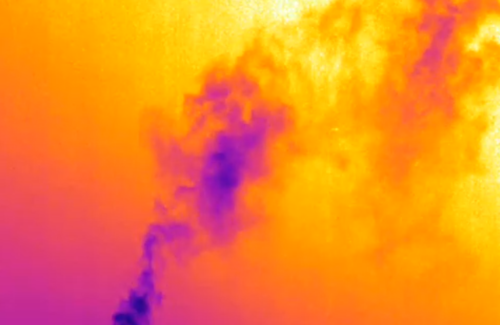
Berlin – A report released by the German Commission for Plant Safety (KAS) indicates that a substantial majority of biogas plants in Germany are failing to meet critical safety and environmental standards. The study found that approximately 71 percent of inspected facilities have significant defects, prompting an urgent call for action from the German Environmental Aid (DUH) organization.
Key issues identified in the report include leaky gas systems, a lack of timely and thorough leak detection tests, and confirmed methane leaks from gas storage facilities that have not been adequately repaired. DUH highlights that these recurring problems have been noted in repeated inspections over nearly two decades, signifying a persistent failure in regulatory oversight and enforcement.
The DUH is also critical of the Federal Ministry for Economic Affairs' plans to expand the use of biomethane in the building sector, arguing that such expansion is premature given the ongoing, unaddressed methane leakage issues. The organization calls for rigorous enforcement of existing regulations and the implementation of mandatory, independent inspections to ensure compliance and mitigate environmental harm.
Methane is a powerful greenhouse gas, second only to carbon dioxide in its contribution to global warming over the short term. Beyond its climate impact, methane is also a precursor to ground-level ozone, which can cause respiratory problems and reduce crop yields, leading to significant economic losses in agriculture.