Neurologist Debunks Genius Myths, Says Potential is Untapped in Everyone
Neurologist Josh Turknett's new book argues that everyone possesses the cognitive potential of geniuses. He explains how internal narratives and misconceptions about effortlessness hinder human achievement.
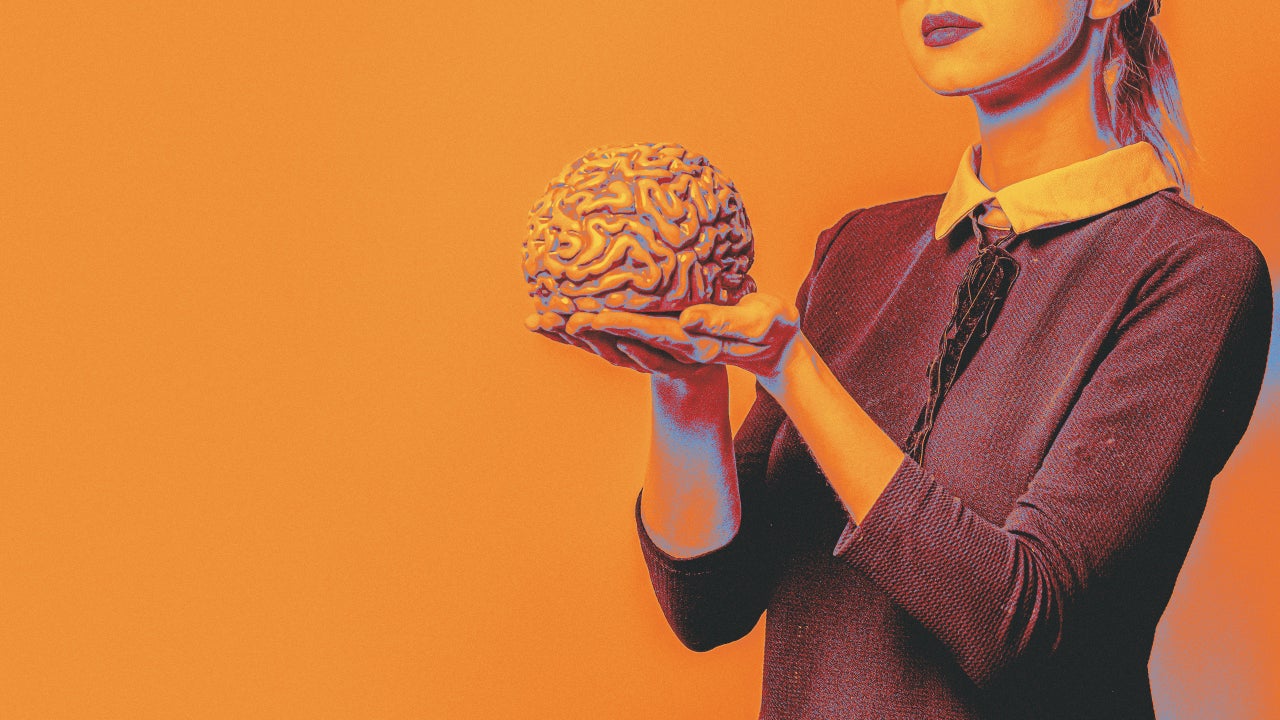
Neurologist Josh Turknett, founder of the Institute for Performance Neurology, challenges common perceptions of genius and human potential in his new book, "The Genius and the Impostor: The Neuroscience of Unlocking Human Potential." Turknett asserts that every individual's brain contains the same learning engine as history's greatest minds.
Drawing on decades of neuroscience, Turknett highlights that complex cognitive functions like understanding language or recognizing faces are significant achievements often underestimated. He references Moravec's paradox, where tasks easy for humans, such as walking or speaking, are difficult for computers, underscoring the brain's efficiency and hidden capabilities.
The book also refutes the notion that geniuses are born with fundamentally different brain structures. Post-mortem examinations of Albert Einstein's brain revealed no extraordinary physical differences. Turknett posits that genius arises not from innate hardware, but from neural networks developed through lifelong curiosity and learning, echoing Einstein's own sentiment of having "no special talents, only passionately curious."
Turknett introduces the concept of the brain's internal "narrator," a system that constructs a believable reality and identity. This inner voice, often critical, can limit potential by dictating perceived capabilities. Experiments involving split-brain patients demonstrate how this narrative system may fabricate explanations for actions rather than admit ignorance.
The article suggests Turknett's work aims to equip readers to identify and challenge these internal limitations, thereby unlocking their brain's true potential. He emphasizes that understanding the brain's learning processes is key to realizing human capacity.