New algorithm mimics fruit fly's scent memory
Researchers have developed a new algorithm, Spi-Fly, that mimics the fruit fly's ability to remember scents, outperforming current electronic noses in odor retention.
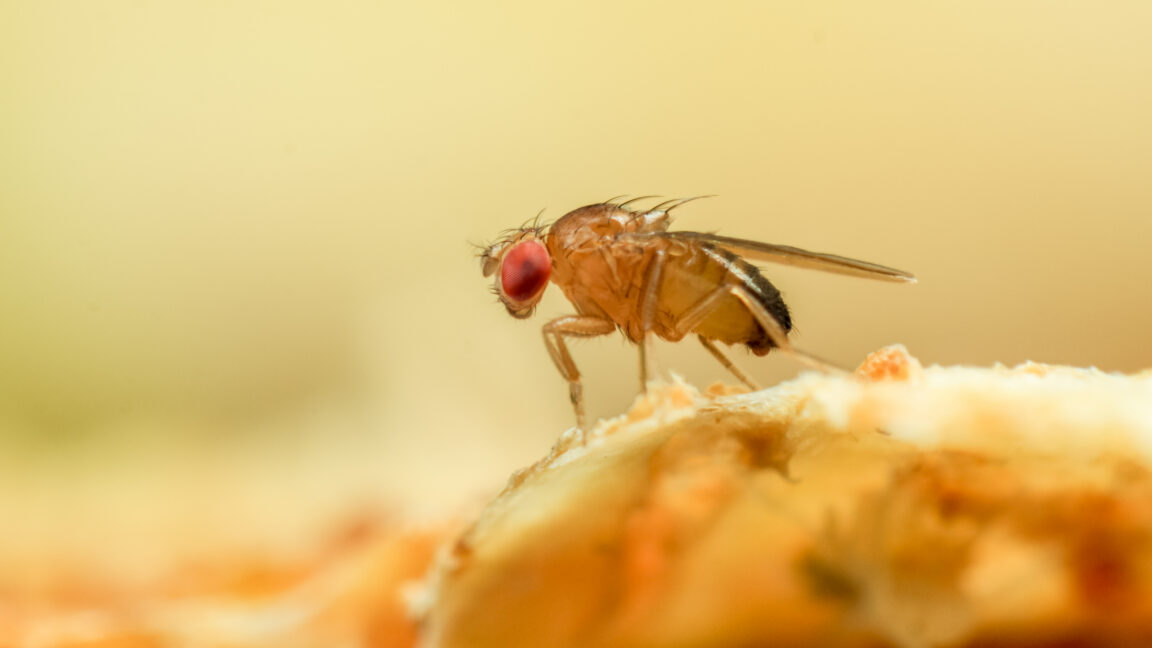
A new algorithm named Spi-Fly, developed by researchers at the Okinawa Institute of Science and Technology (OIST), has demonstrated an unprecedented ability to retain scent memories, drawing inspiration from the humble fruit fly.
Unlike current electronic noses, which often forget previously detected odors when encountering new ones, Spi-Fly replicates the biological mechanism observed in Drosophila. Fruit flies, despite their small brains, can process and remember a wide range of smells for extended periods. This capability has long surpassed that of artificial olfactory systems.
The Spi-Fly algorithm, detailed in the journal Neuromorphic Computing and Engineering, was created by Kevin Max and Yang Shen. It aims to overcome the limitations of existing electronic noses, which are frequently expensive, have a narrow detection range, and suffer from poor odor memory.
This development could pave the way for more sophisticated and persistent artificial olfactory systems, potentially impacting fields requiring advanced scent detection and long-term memory recall.