New Book Explores Survival Under Dictatorships Through Artist's Biography
Andreas Möller's new non-fiction book details the biography of his grandfather, Andreas Nießen, who lived under two dictatorships. The work examines how an artist created personal islands of freedom within totalitarian regimes.
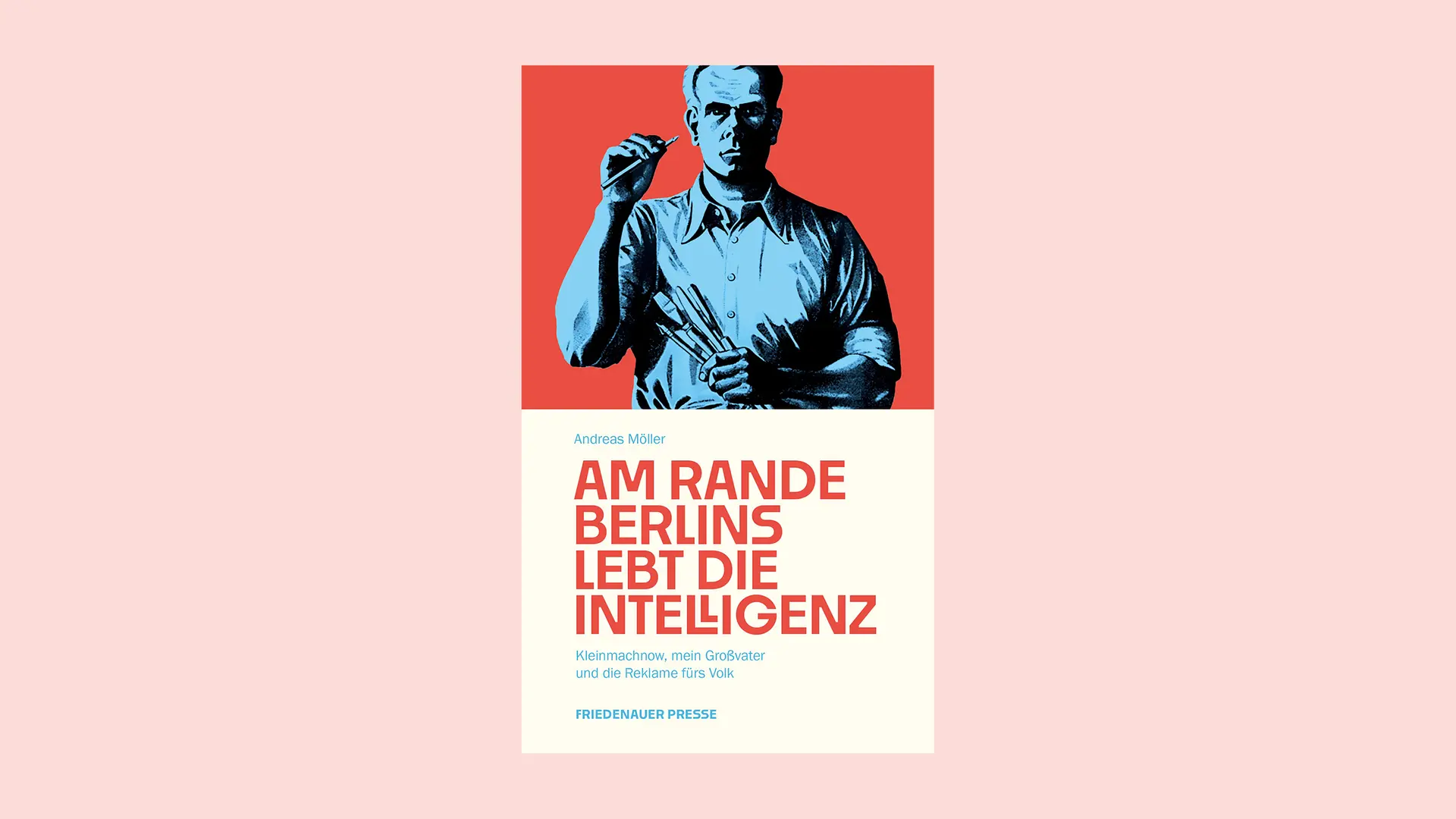
MDR Mitteldeutscher Rundfunk has published Andreas Möller's non-fiction book, which delves into the biography of his grandfather, Andreas Nießen. Titled "Am Rande Berlins lebt die Intelligenz" (Intelligence Lives on the Edge of Berlin), the book examines Nießen's life under both National Socialism and the GDR dictatorship.
Möller describes in his work how his grandfather, a graphic designer and advertising artist, strove to maintain his artistic vision and family life within systems that demanded absolute conformity. The book investigates how Nießen managed to create "small islands of freedom" for himself and those around him in Kleinmachnow during the GDR era, an area known as a gathering place for intellectuals and artists.
This approach differs from many previous biographies, as Möller does not condemn his grandfather but seeks to understand his choices and survival strategies. The book reflects on the sacrifices and compromises individuals had to make to preserve their identity and independence under two totalitarian regimes.
The work also broadly illuminates how certain societal groups, such as artists and intellectuals, attempted to carve out independent spaces and spheres of activity under authoritarian conditions. Kleinmachnow is presented as an example of such "non-resisting dissent," where individual expression and freedom of thought were nurtured within small communities.