New Car Registrations in Germany: Electric Share Grows, VW Leads
In May 2026, Germany saw a slight increase of 0.1% in new passenger car registrations compared to the previous year. Electric vehicles accounted for 25% of new registrations.
Berlin – In May 2026, Germany registered 239,448 new passenger cars, a minimal 0.1% increase compared to the same month in 2025, according to statistics from the Federal Motor Transport Authority (KBA). However, this figure represents a decrease from April 2026.
Electric vehicles (BEVs) constituted 25% of new registrations, with over 59,969 units, marking a significant 39.3% rise year-on-year. Hybrid vehicles were the most represented powertrain type with 67,545 new registrations, followed by electric cars. Petrol cars ranked third with 51,806 registrations, and diesel vehicles reached 30,547. Plug-in hybrids remained the smallest segment with 27,921 registrations.
The average CO2 emission for newly registered passenger cars in May 2026 was 97.2 g/km, a decrease of 10.8%. Volkswagen maintained its leading position among manufacturers with a 19.0% market share. Mercedes followed with 8.3%, and BMW with 8.2%. Škoda was the top imported brand, holding an 8.2% market share.
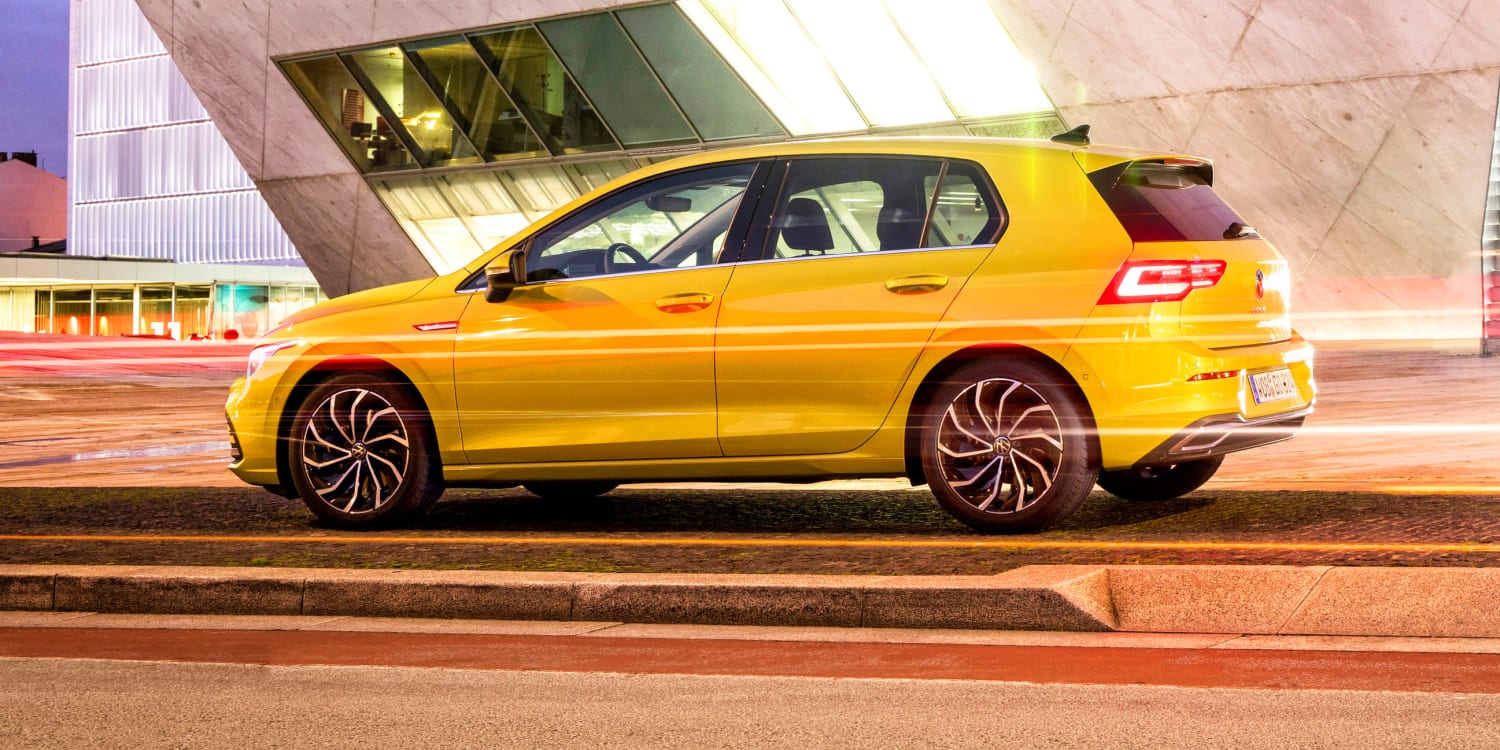
The Volkswagen Golf was the most popular model, with the VW T-Roc and VW Tiguan also ranking in the top three. Among electric-only models, the Škoda Elroq led, followed by the Volkswagen ID.3 and Škoda Enyaq. As of January 1, 2026, Germany had 61.3 million registered motor vehicles, including approximately 49.5 million passenger cars. The share of fully electric and plug-in hybrid vehicles in the total passenger car fleet was still relatively small, standing at 6.4% combined at the end of 2025.