New clues to heart disease risk beyond 'bad' cholesterol identified
Researchers at Chalmers University of Technology have identified new factors contributing to heart disease risk beyond LDL cholesterol. Proteomic analysis revealed molecular links explaining some of the remaining risk.
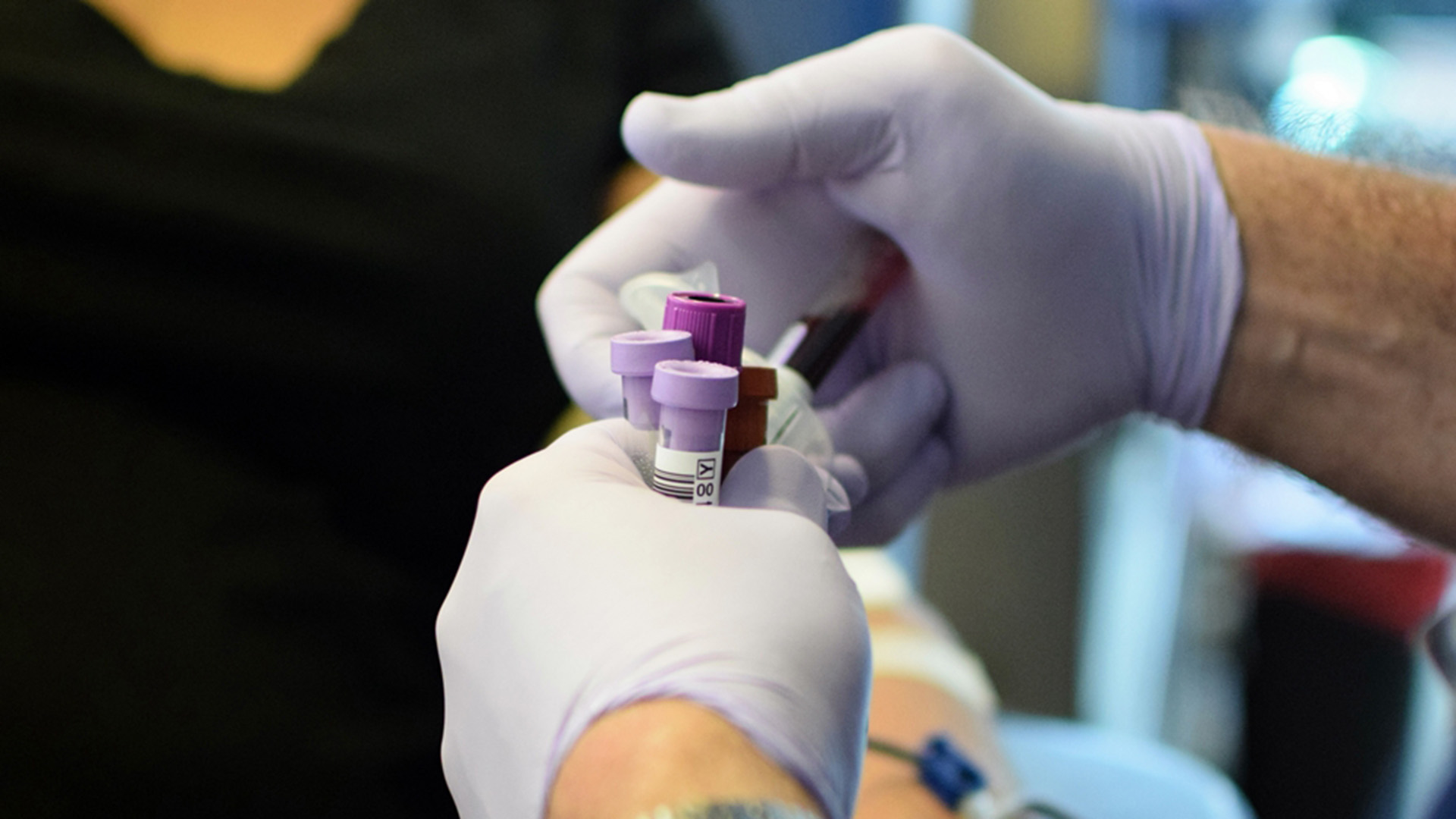
Researchers at Chalmers University of Technology have identified new factors contributing to heart disease risk beyond the well-known impact of LDL cholesterol. Cardiovascular diseases cause nearly 17.9 million deaths worldwide annually, according to the WHO.
While lowering LDL cholesterol significantly reduces heart attack risk, some individuals still develop coronary heart disease even with treatment. This remaining risk has been unclear. The study aimed to understand what happens beyond cholesterol accumulation in artery walls and how other fat-carrying particles can damage blood vessels differently.
Using proteomics, an analysis of thousands of blood proteins, combined with genetic data and long-term health records, researchers identified new patterns. These patterns suggest how lipoproteins, specifically TRL (triglyceride-rich lipoproteins) and Lp(a) (lipoprotein(a)), may cause arterial damage. TRL and Lp(a) shared similar protein patterns and harmful biological effects, indicating a link to inflammation and changes in blood vessel structure.
Unlike LDL particles, which were mainly associated with cholesterol buildup in artery walls, TRL and Lp(a) appear to contribute to remaining risk by influencing inflammatory and vascular processes. The findings provide a basis for developing more precise preventive strategies and potentially targeting treatments more effectively.
The study, published in the European Heart Journal, points to biological processes that may explain some of the residual risk. The next step is to investigate whether measuring or targeting these processes can improve prevention alongside existing treatments.