New estimates reveal major disparities in unintended pregnancies and abortions
The first country-level estimates of unintended pregnancies and abortions show significant disparities in access to sexual and reproductive healthcare services across 150 countries.
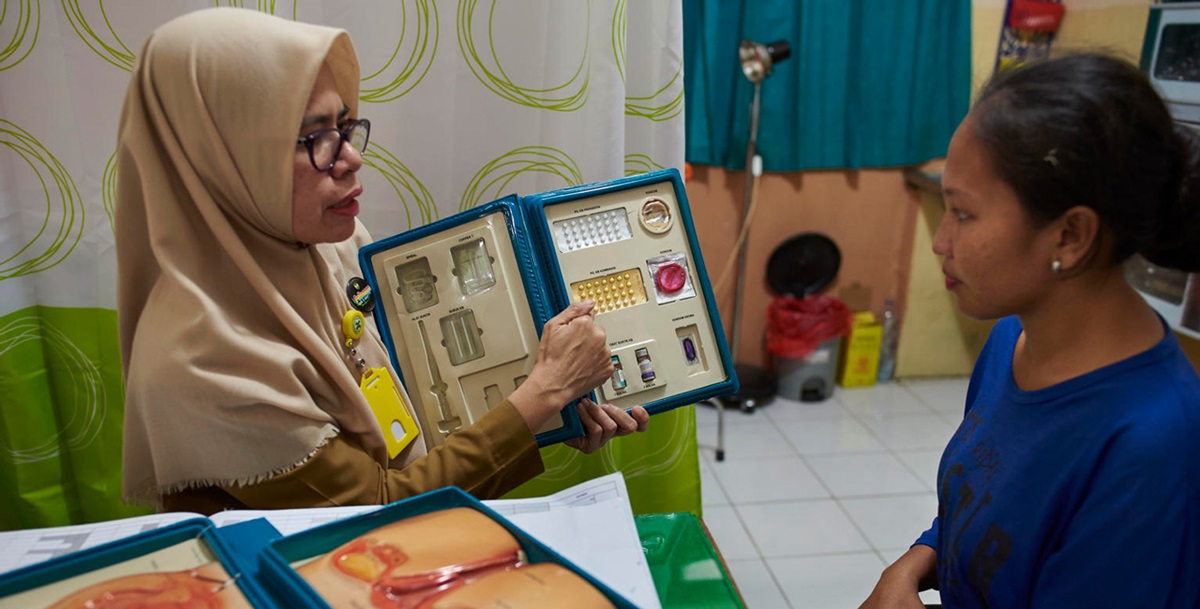
New estimates published by the Guttmacher Institute and the World Health Organization (WHO) provide the first country-level data on unintended pregnancies and abortions in 150 nations, covering the period 2015-2019. The report highlights major inequities in access to sexual and reproductive healthcare services, regardless of income level.
The study, published in BMJ Global Health, reveals significant national variations, with regional averages masking stark differences. For instance, in Latin America, unintended pregnancy rates ranged from 41 to 107 per 1,000 women, and in sub-Saharan Africa, from 49 to 145. Income level does not solely explain these disparities, as some high-income countries exhibit higher rates of unintended pregnancies.
Herminia Palacio, President and CEO of the Guttmacher Institute, emphasized the need for accurate national data to design "inclusive and equitable sexual and reproductive health policies." "Having up-to-date and reliable data will help not only identify disparities and find solutions but also advocate for smarter investments that will make an impact," she stated.
The report indicates that a significant proportion of unintended pregnancies, up to 68%, end in abortion even in countries where abortion is entirely banned, reflecting a strong desire among women and girls to avoid unplanned pregnancies. However, challenges remain in data collection, particularly in regions like Western Asia and North Africa. Improved national data gathering could lead to more reliable estimates and better trend tracking.
The findings underscore the critical role of sexual and reproductive healthcare access as part of universal health coverage and in advancing women's rights. The country-level estimates will inform countries implementing WHO's new guidelines for quality abortion services and support equitable investments in comprehensive healthcare.