New malaria tools saved a million lives, but progress threatened by rising drug resistance
New tools for malaria prevention saved an estimated one million lives in 2024, yet progress is threatened by increasing drug resistance, and case numbers rose compared to the previous year.
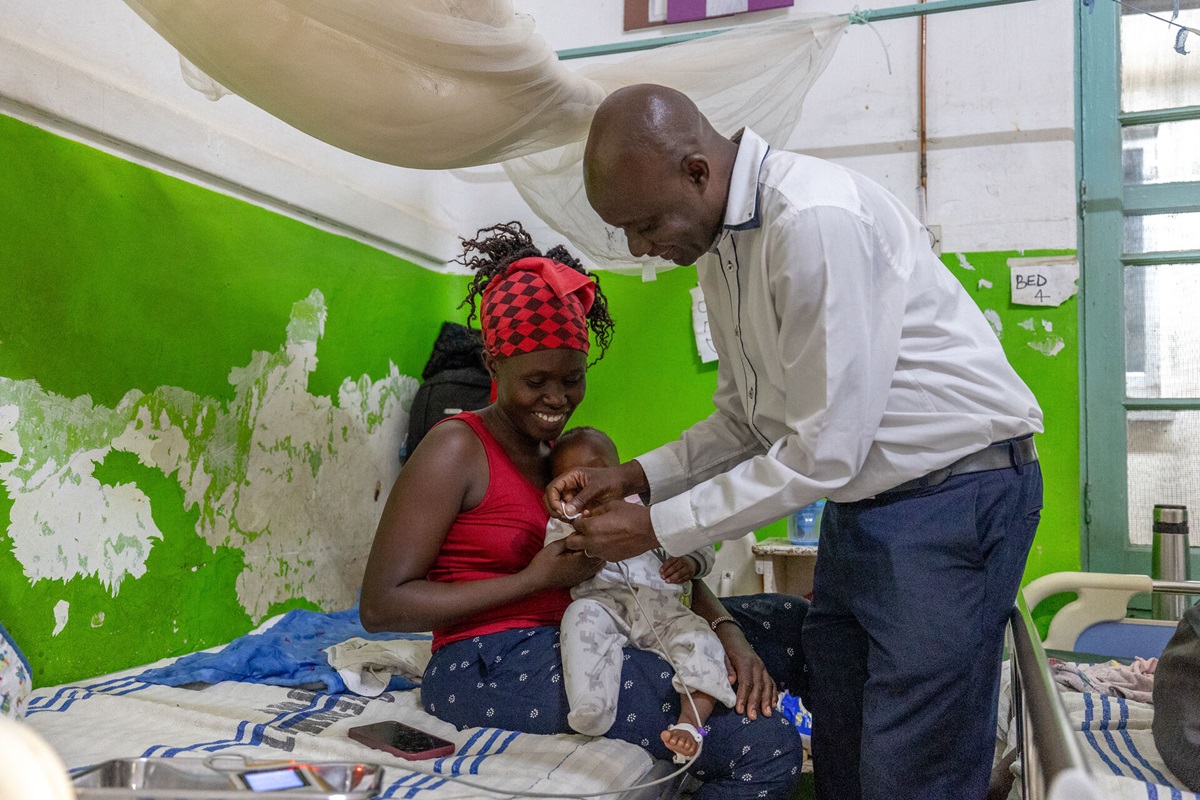
New malaria prevention tools, including dual-ingredient insecticide-treated nets and WHO-recommended vaccines, are estimated to have saved one million lives in 2024, preventing approximately 170 million cases globally. The World Health Organization's (WHO) annual World Malaria Report highlights that these tools are increasingly being integrated into broader health systems.
Since WHO approved the first malaria vaccines in 2021, 24 countries have introduced them into their routine immunization programs. Seasonal malaria chemoprevention has also expanded, reaching 54 million children in 20 countries in 2024. Significant progress has also been made in malaria elimination, with 47 countries and one territory certified malaria-free by WHO.
Despite these gains, an estimated 282 million malaria cases occurred in 2024, an increase of about 9 million from the previous year. The number of deaths was approximately 610,000, with an estimated 95% of these occurring in the WHO African Region, primarily among children under five. A crucial concern is the growing threat of antimalarial drug resistance, which hinders malaria elimination efforts.
"New tools for malaria prevention are giving us new hope, but we still face significant challenges," said WHO Director-General Dr. Tedros Adhanom Ghebreyesus. He emphasized that increasing case numbers, the threat of drug resistance, and funding cuts risk pushing back progress. However, he stated that these challenges are not insurmountable with leadership and targeted investment.
The report details growing concerns about resistance to artemisinin derivatives, a cornerstone of malaria treatment. Resistance has been confirmed or suspected in at least eight African countries. Furthermore, insecticide resistance in mosquitoes and the spread of invasive species like Anopheles stephensi complicate control efforts. Extreme weather events and ongoing conflicts also contribute to increased malaria outbreaks.