New textile destruction ban may be ineffective due to exceptions
A new EU ban on destroying unsold textiles will take effect on July 19, but the environmental organization Deutsche Umwelthilfe warns it could be ineffective. The group calls for better regulations against overproduction.
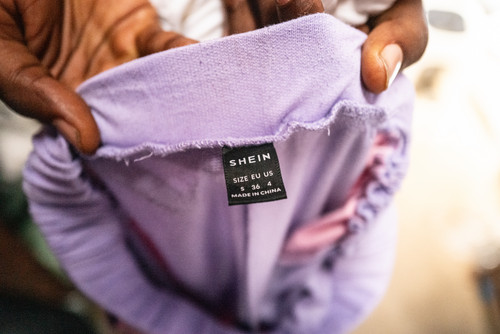
New EU regulations prohibiting large companies from destroying unsold clothing, shoes, and accessories are set to take effect on July 19, 2026. However, the environmental organization Deutsche Umwelthilfe (DUH) expresses concern that numerous exceptions may dilute the ban's effectiveness.
Particularly problematic are provisions that allow the destruction of goods if they have been unsuccessfully offered as donations to social enterprises or if repair or refurbishment is deemed too costly. DUH argues this would effectively continue to legitimize the "fast fashion" business model, which relies on overproduction and short product lifecycles.
DUH urges German Environment Minister Carsten Schneider to enact a more effective textile law that tackles overproduction and promotes reuse, rental, and repair. The organization emphasizes that a ban on destruction merely treats the symptoms, not the root cause of the problem.
While awaiting new national legislation, DUH proposes binding targets for textile waste reduction, differentiated producer fees based on environmental criteria, and the establishment of a transformation fund for developing circular business models. The group also notes that increased donations will not solve the issue if the volume of clothing is excessive, quality is poor, or if items contain harmful chemicals. Furthermore, exporting used clothing to developing countries may exacerbate existing textile waste issues there.