New Yale Study Offers Affordable Method to Remove "Forever Chemicals" from Farmland
Researchers at Yale University have developed a low-cost method to remove persistent PFAS chemicals from farmland, combining crop cultivation with crushed rocks. The process breaks down the "forever chemicals" and offers environmental co-benefits.
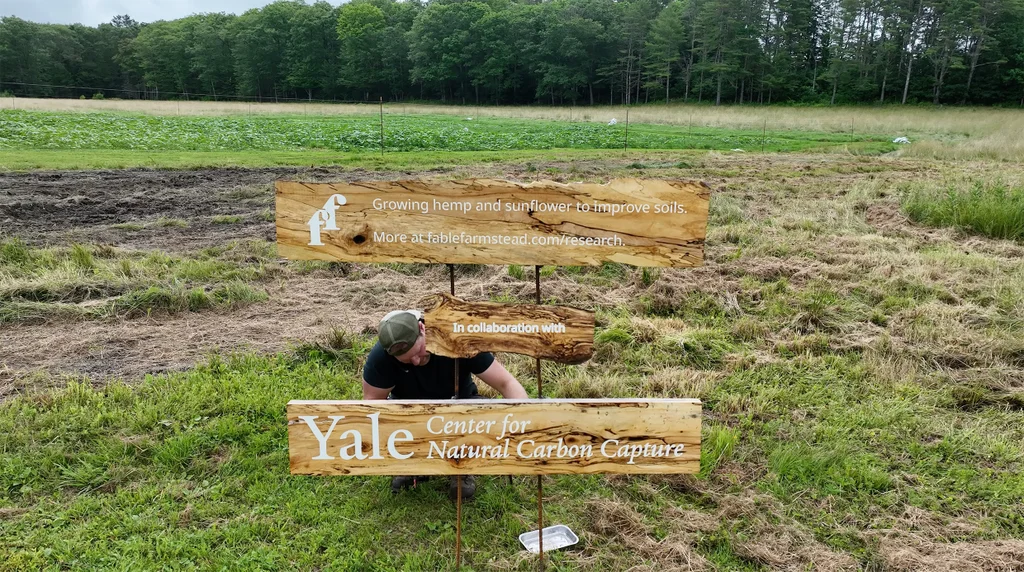
Scientists at Yale University have published findings on a new, cost-effective method to remediate farmland contaminated with PFAS, commonly known as "forever chemicals." These compounds, often introduced through the widespread application of sewage sludge as fertilizer since the 1970s, pose significant health and environmental risks.
The study, detailed in the Proceedings of the National Academy of Sciences, proposes a technique involving the cultivation of specific crops, such as hemp and sunflowers, known for their ability to absorb PFAS. Farmers are advised to add crushed alkaline rocks to the soil, which raises the pH level and enhances the plants' uptake of these chemicals. Following harvest, the crops are heated at high temperatures in an oxygen-free environment, which effectively breaks down the PFAS compounds.
This process also generates biochar, a soil amendment that can further sequester PFAS. Researchers estimate this method could reduce contamination levels to safe thresholds within a decade. Significantly, the approach is far less expensive than existing PFAS remediation technologies, which can cost up to $1 million per acre and are not practical for widespread agricultural application.
An additional benefit of adding crushed rocks is enhanced rock weathering, a process that captures atmospheric carbon dioxide. This could potentially create a revenue stream through carbon removal credits to help fund the cleanup efforts. The findings come at a critical time, as states like Maine have already banned the use of sewage sludge on farms, and farmers are actively seeking viable solutions to address the widespread contamination affecting the food system and public health.