Nexans and SNCF Réseau Enhance Rail Safety with Superconducting Fault Current Limiter
Nexans and French rail network operator SNCF Réseau are deploying a new superconducting fault current limiter (SFCL). This innovation enhances the safety and reliability of train power supply systems in the Belfort region.
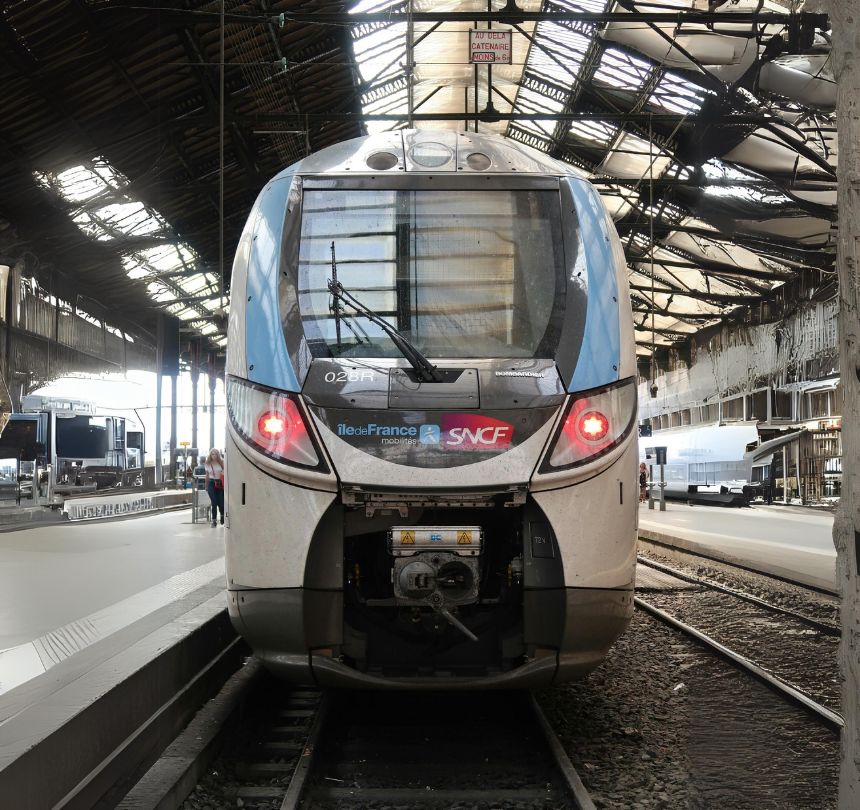
Nexans and SNCF Réseau, the manager of France's rail infrastructure, have partnered to implement a superconducting fault current limiter (SFCL). This technology aims to increase safety and reliability for electric traction on the Belfort-Delle line, including the cross-border link to Switzerland.
The project addresses the growing demands on railway power supply networks due to increased traffic and evolving rolling stock. Overvoltages and short circuits can cause significant disruptions. The SFCL device, developed by Nexans and integrated into the Bussurel substation identified by SNCF Réseau, autonomously absorbs short-circuit currents and regenerates within five minutes without human intervention.
This technology is reported to improve network reliability and safety by reducing current surges during short circuits. In the long term, the SFCL could allow for reduced sizing of traction power facilities, potentially lowering infrastructure costs while enabling the supply of more trains.
Nexans positions itself as a leader in developing superconducting technologies for electrified transport and power distribution. The company envisions a network of interconnected superconducting systems to meet future energy challenges. Nexans is also involved in the SuperRail project, which will supply the Montparnasse-Vouillé substation with superconducting cables.