Nexans to Develop Superconducting HVAC System for Offshore Wind
Nexans has formed the SupraMarine consortium to develop a superconducting AC power transmission system for offshore wind farms. The project will explore the use of high-temperature superconducting cables.
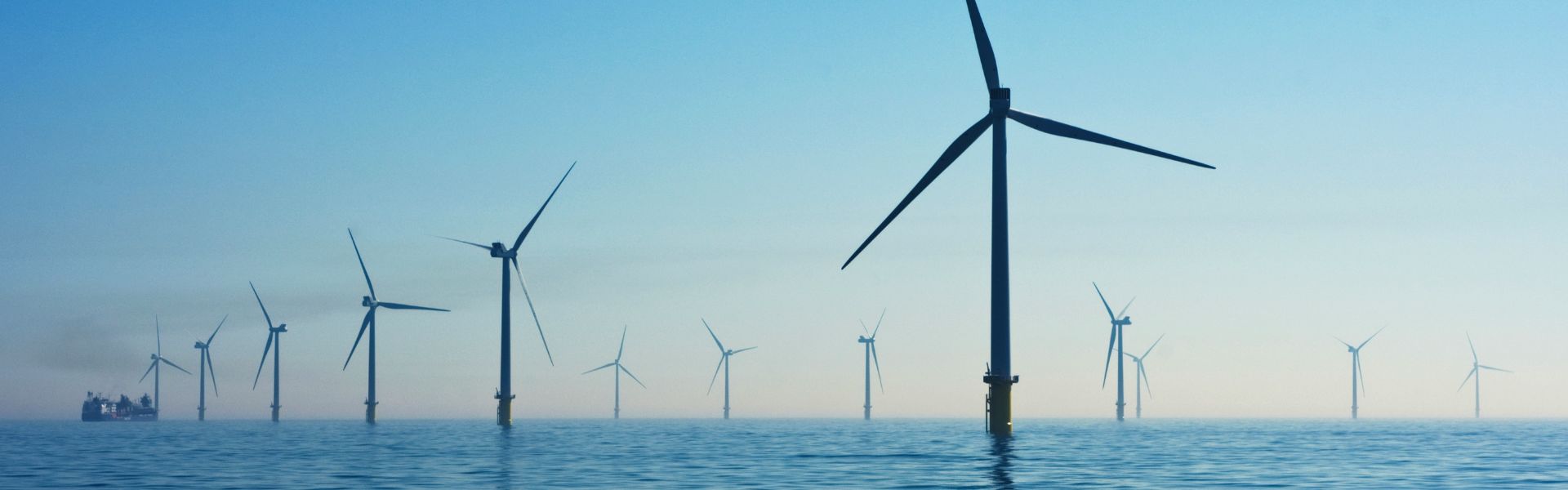
Cable manufacturer Nexans has joined forces with Air Liquide, CentraleSupélec, ITP Interpipe, and RTE to establish the SupraMarine consortium. The consortium aims to develop a high-voltage alternating current (HVAC) demonstrator system utilizing superconducting technology to transmit electricity from offshore wind farms to the shore.
The project will focus on studying high-temperature superconducting (HTS) cables. These cables, cooled by liquid nitrogen, transmit electricity with near-zero energy loss. Such a system could improve the competitiveness of offshore wind power installed farther from the coast, compared to direct current connections, and thus contribute to the energy transition.
The demonstrator system developed within the SupraMarine project represents a breakthrough in energy transmission from offshore wind farms by adapting and simplifying parts of the electrical grid connection. The project aims to offer an alternative solution to the growing supply chain challenges for offshore wind energy, while seeking to use primarily European-sourced materials. The goal is to reduce transmission losses and enhance the competitiveness of offshore wind power.
The consortium leverages the complementary expertise of leading European players. Air Liquide will supply cryogenic plants, CentraleSupélec will provide scientific and research expertise, ITP Interpipe will design the insulated pipe systems, Nexans will develop the superconducting cables, and RTE will offer insights as the grid operator. Testing of the demonstrator is scheduled for 2028. The project has received a grant of €7.3 million as part of France's 2030 program.