NielsenIQ: Grocery packaging sizes to shrink amid changing consumer trends
A NielsenIQ report predicts that future grocery stores could feature more mini cans and personal packs. Shrinking package sizes reflect shifting consumer habits and economic pressures.
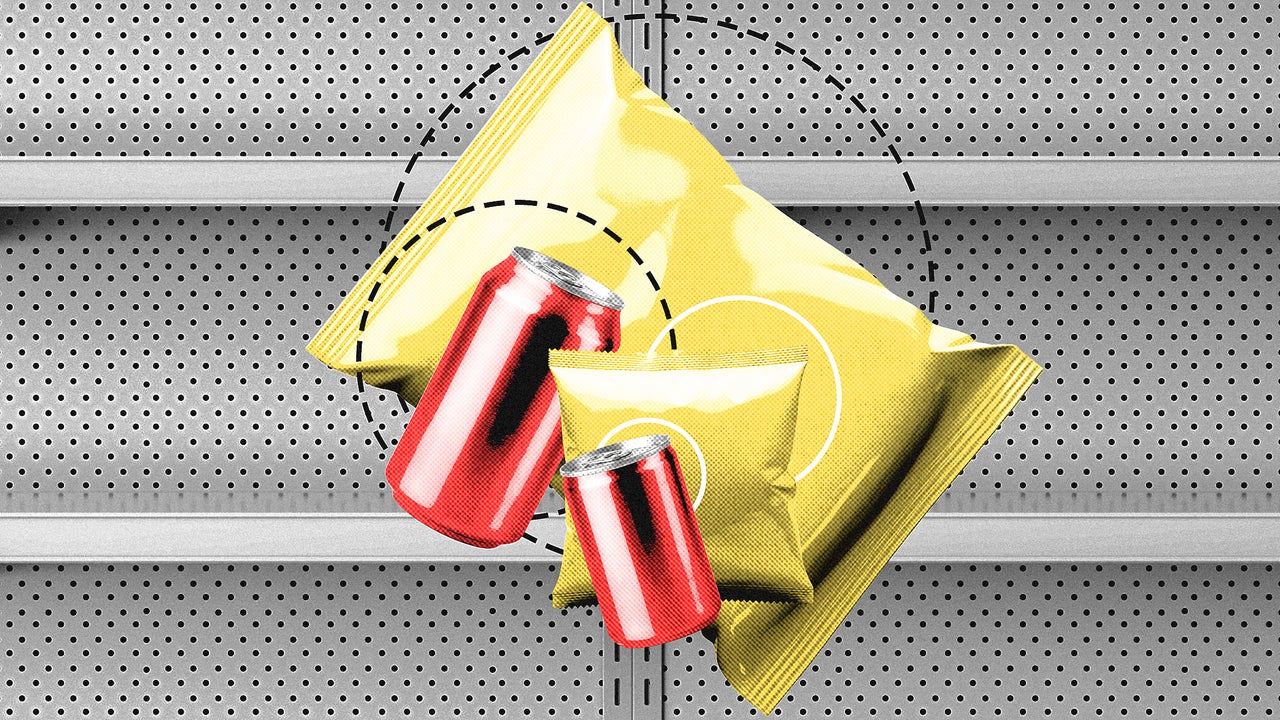
The size of food packaging is likely to shrink in the coming years, according to a new report from consumer intelligence firm NielsenIQ. By 2035, grocery stores may display more mini cans and personal packs, reflecting a deepening shift in consumer purchasing habits.
The report highlights that traditional packaging strategies prioritizing bulk and increased consumption are no longer relevant. Declining household sizes, rising living costs, and the growing adoption of GLP-1 medications have led to reduced consumption. This is forcing manufacturers, retailers, and designers to reconsider their packaging formats.
"If the American household is shrinking, the way it shops is shrinking right along with it," the report states. Smaller packaging, such as mini cans and individually portioned packs, appeals to consumers facing inflation and smaller household sizes, even if the unit price is higher. These options lower the total cost at checkout and reduce waste.
Several major consumer goods companies have already begun testing smaller package sizes. PepsiCo, for instance, has introduced mini cans and is considering new pack sizes for other beverages. Campbell's has launched small, sub-$2 Goldfish packs. Shrinking package sizes are particularly noticeable in soft drinks, ready-to-eat cereals, and salty snacks.
NielsenIQ's report suggests that smaller packages offer value by reducing the upfront cost, improving storage, and decreasing the risk of waste. Evolving consumer habits, which often favor quick, fill-in shopping trips, support this trend toward smaller, more appropriate package sizes.