Nissan shifts design strategy back toward physical vehicle controls
Following industry-wide pushback against minimalist, screen-heavy interiors, Nissan executives indicate a return to physical buttons for improved usability.
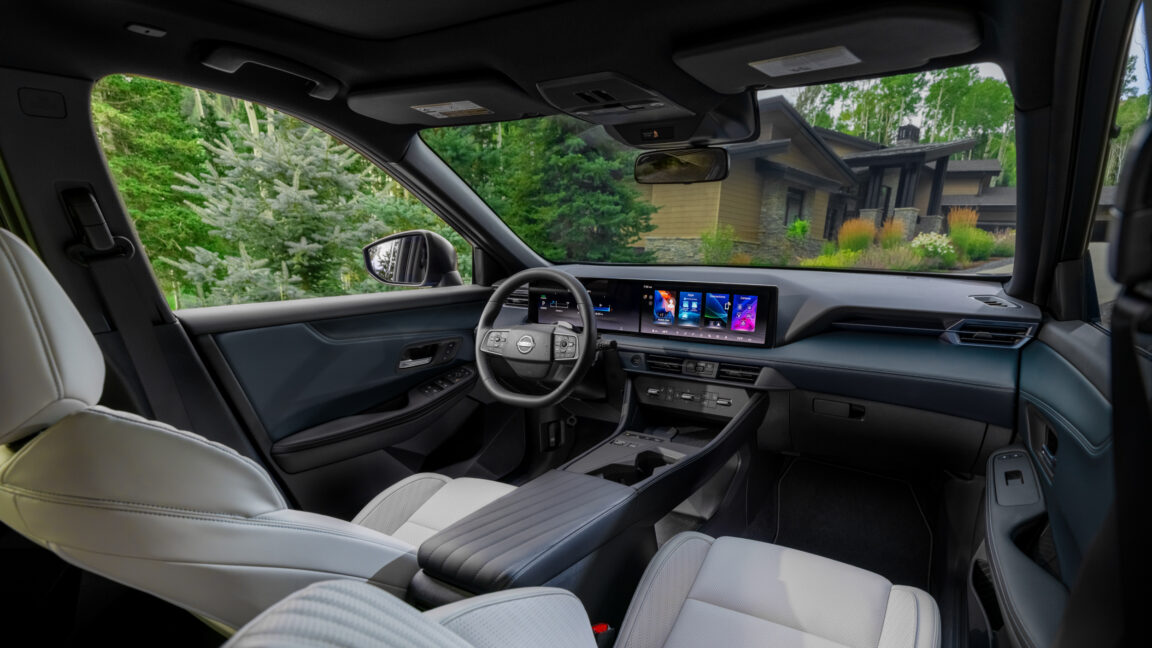
Automotive interior design is undergoing a shift as manufacturers move away from fully digital, switchless cockpits. The trend toward centralizing all vehicle functions within software interfaces is increasingly viewed as a liability to driver safety and ergonomics.
Nissan senior design manager Hiren Patel noted that the previous industry obsession with piano-black surfaces and touchscreen-only interfaces was driven by cost-saving measures. By eliminating physical buttons, companies sought to reduce tooling requirements and unify vehicle interiors under a singular, software-based architecture.
However, consumer feedback has highlighted significant flaws in this approach. Patels explains that while these minimalist designs appear aesthetically pleasing in dealerships, they fail to provide the intuitive tactile feedback necessary when a driver is navigating the road. Adjusting vehicle settings through complex menus has been cited by drivers as a major distraction.
In response, manufacturers are beginning to reintegrate physical controls for frequently used tasks, such as climate and seat adjustments. This industry correction highlights a broader acknowledgment that driving requirements cannot be fully replicated by smartphone-style software interfaces.