Nobel Prize in Chemistry awarded for asymmetric synthesis
The Nobel Prize in Chemistry 2001 recognizes Henri Kagan and Kenso Soai for developing asymmetric synthesis, enabling the selective production of one mirror-image form of a molecule.
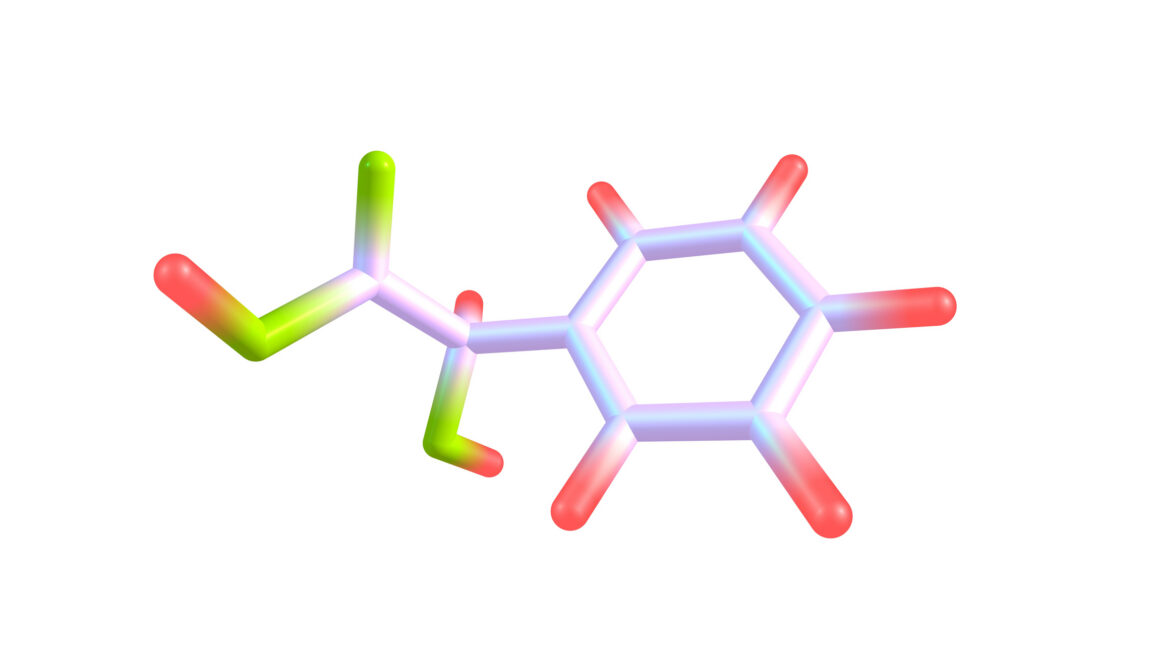
The Nobel Prize in Chemistry has been awarded to Henri Kagan and Kenso Soai for their pioneering work in asymmetric synthesis. This field of chemistry focuses on reactions that can selectively produce one of the two mirror-image forms of a molecule, a capability crucial for biological processes.
Life on Earth relies heavily on molecules exhibiting 'handedness,' meaning they exist in two chemically identical yet non-superimposable mirror-image forms. While most chemical reactions produce an equal mix of these forms, biological systems typically utilize only one specific handed form. This selectivity is vital, as enzymes essential for life often fail to function if presented with the incorrect mirror-image molecule.
The challenge for origin-of-life research has been to explain how an early Earth, likely with an even distribution of both molecular forms, could give rise to organisms dependent on a single form. Kagan and Soai's discoveries provide a mechanism for this bias, demonstrating that chemical reactions can be steered to favor the creation of one enantiomer over the other in significant quantities.
Their work has profound implications beyond theoretical biology, impacting the pharmaceutical industry where the precise synthesis of specific molecular forms is critical for drug efficacy and safety. The ability to produce chiral compounds selectively reduces waste and improves the purity of final products.