Nokia Launches RAN Digital Twin for 6G Network Design
Nokia Oyj has introduced its Nokia RAN Digital Twin, leveraging AI and NVIDIA technology for radio network simulation. The system aims to enhance the design and optimization of 6G networks through precise radio propagation modeling.
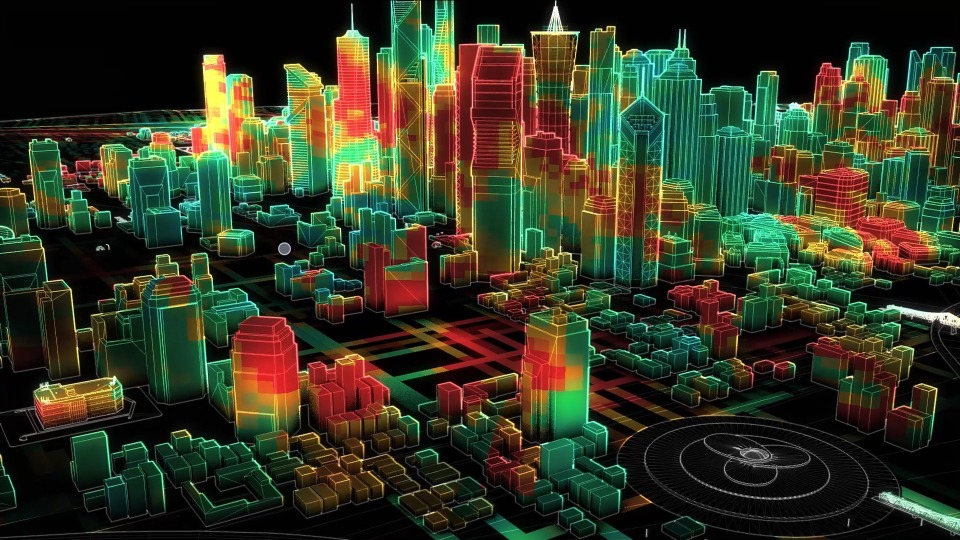
Nokia Oyj has unveiled the Nokia RAN Digital Twin, a new system designed to improve the design and optimization of future 6G networks. The solution utilizes artificial intelligence and NVIDIA's Aerial Omniverse Digital Twin platform to create physically accurate radio propagation environments.
The technology addresses the increasing complexity of 6G networks, particularly in higher frequency bands. It integrates Nokia's network expertise with NVIDIA's computing power to generate detailed simulations of radio wave behavior in real-world conditions. This allows network designers and researchers to create and test future network solutions virtually before physical deployment.
This system diverges from traditional simulators that often rely on statistical averages. Nokia's solution uses high-resolution 3D maps and material data to accurately model how radio signals interact with physical objects. It also incorporates product-level modeling for user equipment, ensuring simulations reflect the performance of actual devices.
Nokia states the system can be applied to practical scenarios, such as optimizing coverage in dense urban areas or testing connectivity for high-speed mobility, like autonomous vehicles. It also enables precise analysis of the interaction between user equipment and base stations in a virtual setting.
The Nokia RAN Digital Twin is expected to accelerate the adoption of new technologies and reduce infrastructure costs by assisting operators in optimizing the number and placement of base stations.