Nokia: Private 5G Networks Enhance Port Security and Operational Efficiency
Nokia reports that U.S. ports are adopting private 5G networks to improve security and operational efficiency. These networks enable real-time visibility and automation in complex port environments.
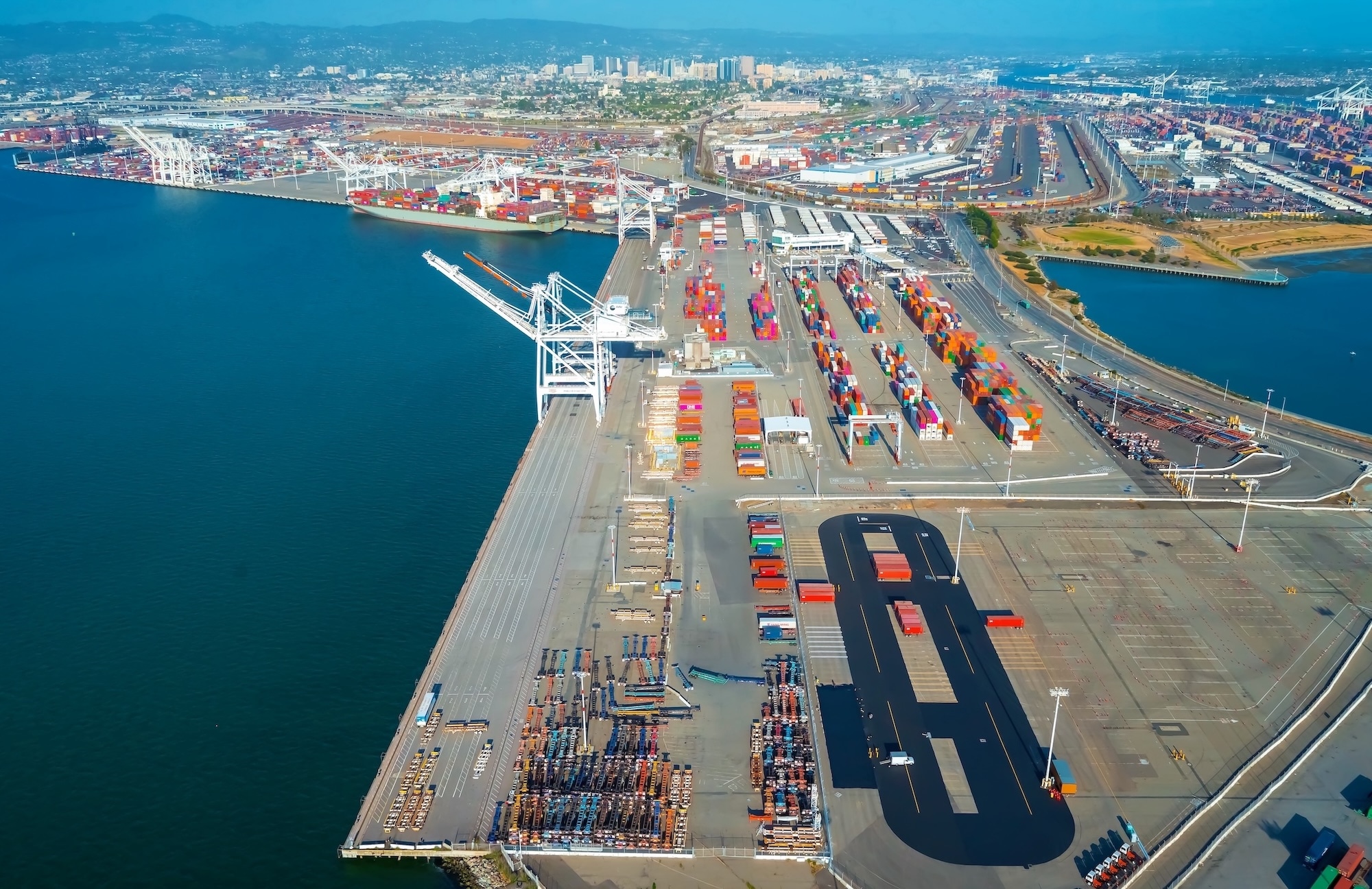
Nokia Oyj has highlighted the increasing adoption of private 5G networks by U.S. ports as a critical technology for enhancing national security and operational efficiency. These networks provide real-time visibility and enable automation within complex port environments, which are vital for both global trade and homeland security.
Federal agencies, including U.S. Customs and Border Protection (CBP), the U.S. Coast Guard (USCG), and the Department of Homeland Security (DHS), are collaborating with port authorities on private 5G deployments. The goals include improving situational awareness, accelerating interdiction and response times, and ensuring infrastructure security and resilience, while also using automation to address workforce shortages.
Key use cases for private 5G in ports involve automation of operations like ship-to-shore cranes and automated guided vehicles, requiring millisecond-level latency. The technology also supports real-time situational awareness through AI-enhanced cameras and drones, and data collection from underwater sensors for infrastructure protection.
Nokia notes that while the Citizens Broadband Radio Service (CBRS) is currently prevalent for private 5G in the U.S., its shared nature presents challenges for mission-critical reliability. The company anticipates that the availability of new, more secure spectrum bands, such as the Lower 37 GHz band, will further support high-bandwidth applications and secure communications.
Private 5G networks are seen as essential for unlocking the full potential of artificial intelligence (AI) in ports, from automated access control to predictive maintenance. Nokia emphasizes that a centralized private 5G architecture improves security and governance by segregating network traffic and ensuring secure data flows.
In summary, Nokia positions private 5G not just as a connectivity upgrade, but as a strategic communications infrastructure that strengthens national security, ensures operational continuity, and enables data-driven decision-making for U.S. ports.