Nokia's 5G 360 Camera and RXRM Introduce Viewport-Dependent Delivery
Nokia has updated its 5G 360 Camera and RXRM software to support viewport-dependent delivery (VDD). This integration reduces bandwidth usage and improves performance by processing video within the camera.
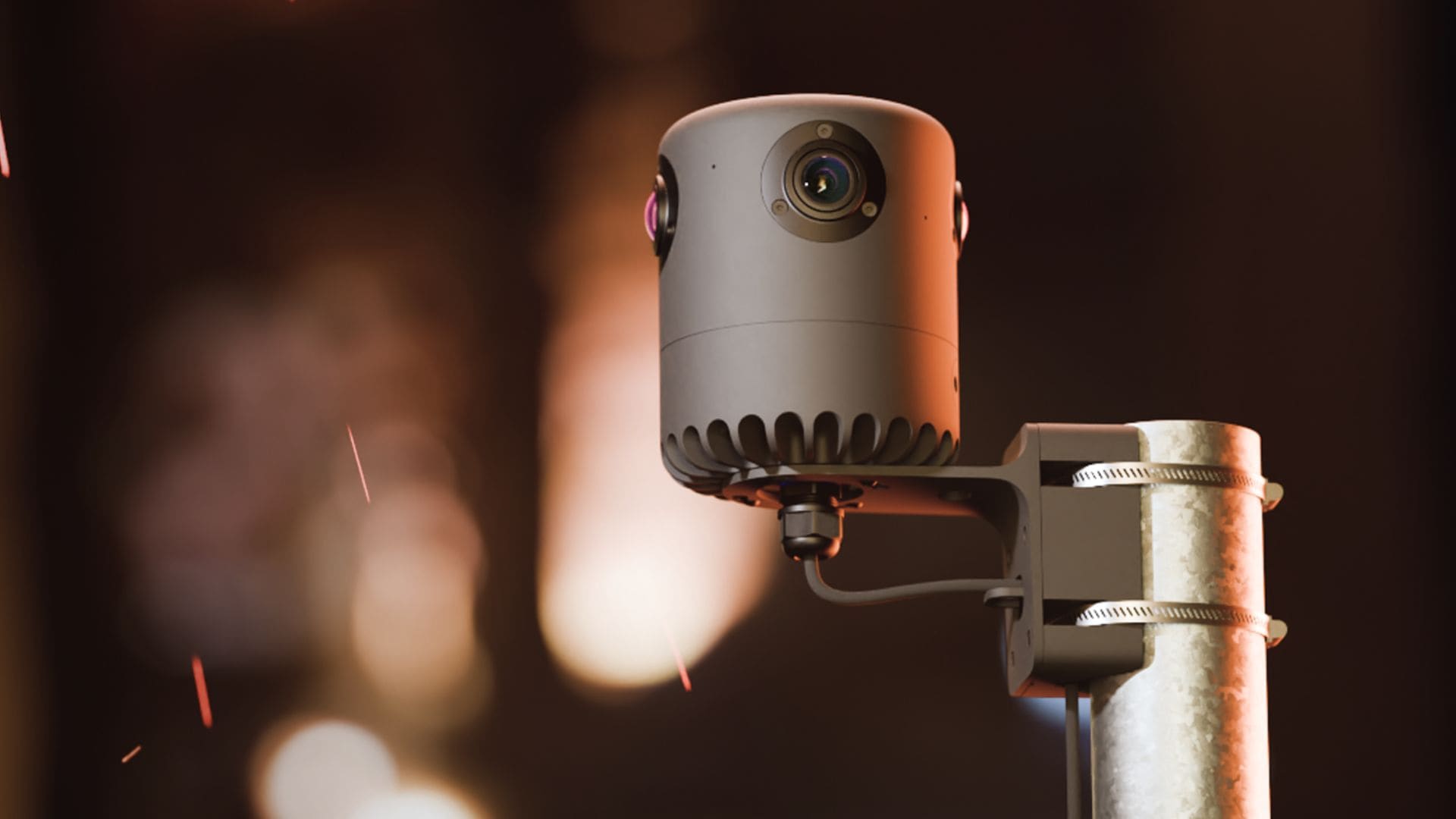
Nokia Oyj has updated its 5G 360 Camera and Real-time eXtended Reality Multimedia (RXRM) software to incorporate viewport-dependent delivery (VDD). This technological enhancement enables high-quality 360-degree video and audio streaming with reduced bandwidth requirements and lower latency.
The new VDD feature, integrated directly into the camera, optimizes video delivery based on the viewer's field of vision. Previously, this required separate external processing units, but now the processing occurs within the camera itself. Combined with RXRM's integrated player and control interface, this reduces the amount of necessary hardware and lowers overall system costs.
According to Nokia, the in-camera VDD processing offers several advantages. It significantly improves bandwidth efficiency, making it easier to stream high-quality video without overloading the network. The solution is also more robust, as it does not require additional hardware for video processing and allows for instantaneous field-of-view changes without mechanical wear or delays.
Furthermore, the VDD feature lessens the need for separate Graphics Processing Units (GPUs), making system deployment more cost-effective and flexible. While VDD is now integrated into the camera, the RXRM system can still utilize separate GPU-based processing units for tasks such as storing or analyzing the full 360-degree content, or for providing multiple simultaneous viewing experiences to different users.
The update will be available as a firmware update for the 5G 360 Camera and a software update for RXRM version 25R2. Nokia is also offering the opportunity to book a demonstration of the new solution.