Nordic CFOs Embrace AI, But Trust and Skills Lag Behind
A new Nordic report reveals 80% of finance chiefs use AI daily, yet only 20% fully trust it for decision-making. Lack of expertise is identified as the primary challenge.
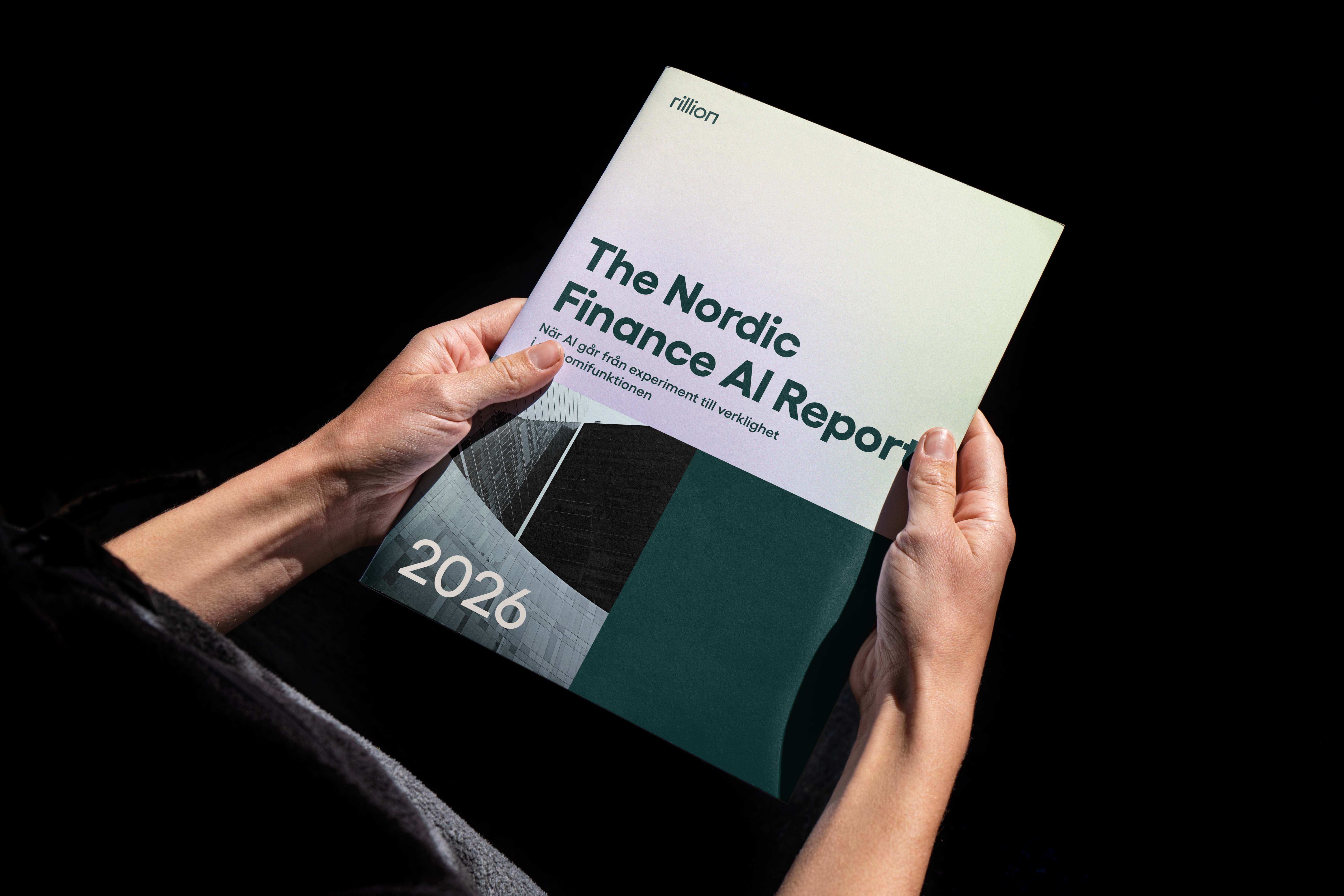
A new report, "The Nordic Finance AI Report 2026," released in Stockholm, indicates that artificial intelligence (AI) has become widespread in Nordic finance organizations faster than trust in the technology. The study found that 80 percent of finance chiefs working in Sweden, Denmark, and Finland use AI daily, but only one in five fully trusts it for critical decision-making. This gap between AI adoption and trust presents a significant hurdle for finance functions.
The research, based on responses from 250 Nordic finance leaders, highlights that while the potential of AI is recognized, many organizations struggle with its safe and practical implementation. The most significant barrier to broader AI adoption is not technology or budget, but a lack of internal AI expertise, cited by a quarter of respondents. Many have begun using AI without a corresponding transformation of their work methods and processes.
The report also details differences between the countries. Denmark leads in AI adoption rates, but Finnish finance chiefs have a more moderate view of the technology's impact compared to their Swedish counterparts. In Finland, 37 percent widely use AI in their finance function, versus 34 percent in Sweden and nearly half in Denmark. Thirty-nine percent of Finnish CFOs believe AI will have negative effects on the finance function, compared to 54 percent in Sweden.
An interesting generational divide emerges: CFOs under 40 utilize AI the most but are also the most concerned about its negative consequences. However, they are also the most optimistic about significant changes ahead in the finance function, where technical understanding and AI skills are becoming increasingly crucial for the future. While the overall number of jobs is expected to remain stable, skill requirements are rapidly evolving.