Nordic countries advance road transport electrification
Nordic nations are leading the adoption of electric vehicles. Electrification is progressing rapidly for passenger cars, but challenges remain in heavy-duty transport.
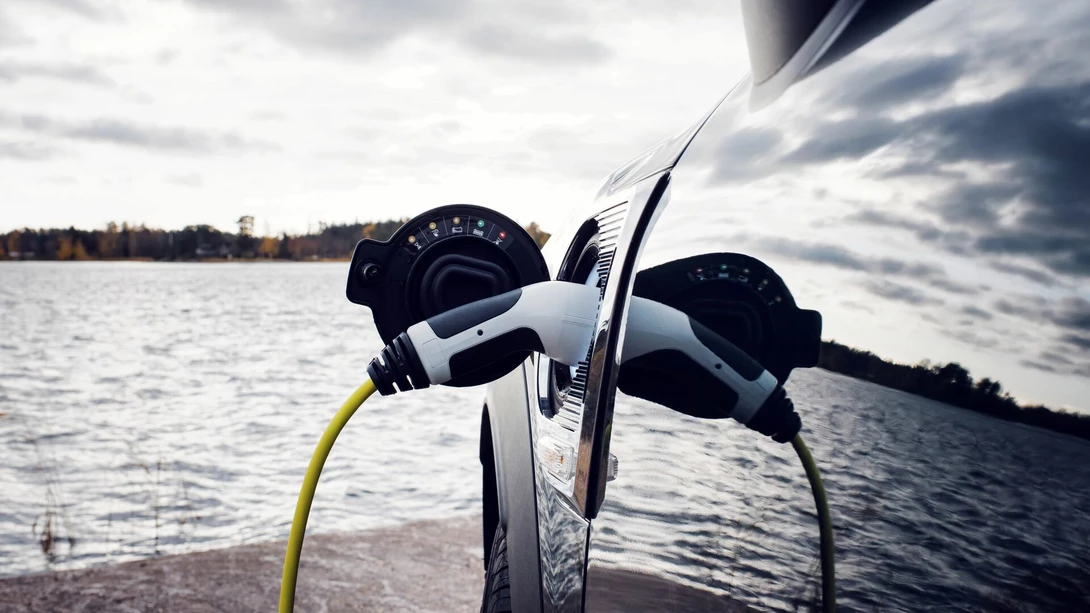
Nordic countries are making significant strides in electrifying road transportation, a key factor in reducing regional carbon dioxide emissions. The transition, particularly for passenger vehicles, has accelerated over the past five years, supported by government incentives.
Norway leads in electric vehicle adoption. In the first half of 2025, 93.7% of new passenger car registrations were fully electric. The country boasts over 5,000 charging stations and 37,000 public charging points. Sweden follows, with electric vehicles accounting for approximately 61% of new registrations. Denmark saw the fastest growth in DC fast chargers in Europe during Q1 2025. In Finland, over half (54%) of new passenger car registrations in 2025 were either fully electric or plug-in hybrids.
Electrification in the heavy-duty segment, including trucks, buses, and vans, is progressing more gradually. Robust battery solutions and charging infrastructure tailored to the demands of larger vehicles present unique challenges. Currently, less than 10% of the Nordic region's heavy fleet is electrified.
Norway also leads in this segment, with 41% of new registrations for light and heavy commercial vehicles being electric in 2025. In Oslo, 85% of bus kilometers were covered by electric buses in 2024. Sweden has made progress in public transport, with 23% of new truck and bus registrations being electric. Denmark reported over 30% of its new commercial vehicle registrations as electric.
In Finland, the electrification of heavier vehicles has been slower, with only 17% of new registrations being electric in 2025. Limited charging infrastructure poses a significant barrier. However, regional collaboration and investments suggest an accelerating transition in the coming years.