Nvidia bets on physical AI for robotics and autonomous driving
Nvidia has invested billions of dollars in physical AI technologies like robotics and self-driving cars. The company is developing a full-stack safety system to mitigate risks associated with autonomous machines.
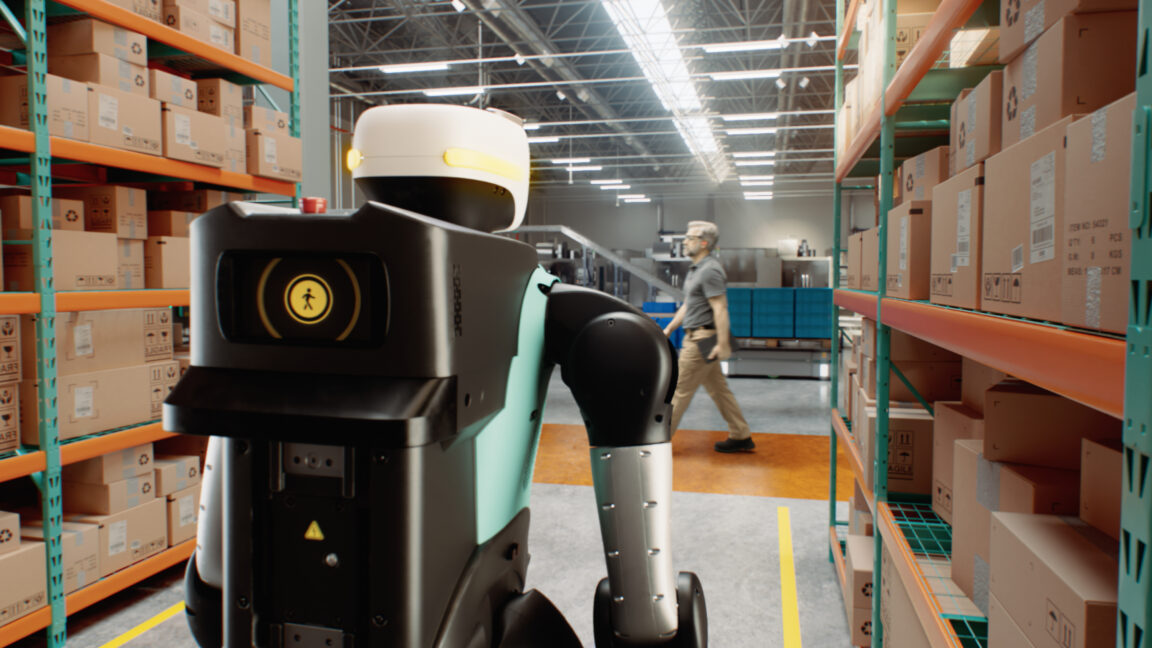
Technology firm Nvidia is making significant investments in physical AI applications, including robotics and autonomous vehicles. The company aims to reduce the risks posed by autonomous systems by developing comprehensive safety solutions.
Nvidia's Halos system, launched in 2025, provides hardware and software tools to enhance the safety of autonomous vehicles. The company expanded its safety architecture in June 2026 with the introduction of Halos for Robotics. This initiative targets the safe deployment of autonomous mobile robots in settings such as warehouses, humanoid robots operating within factories, or even surgical robots.
"AI models and robot hardware are becoming increasingly capable, and safety emerged as a potential bottleneck," stated Amit Goel, head of robotics ecosystem and edge computing at Nvidia. "Therefore, we launched Halos for Robotics to unlock the capabilities of these systems."
Nvidia's objective is to foster the secure implementation of physical AI across various industries, potentially accelerating the adoption of autonomous solutions.