Oak Raises $60 Million for AI-Native Identity Operating System
Technology firm Oak has secured $60 million in seed funding to build an AI-native Identity Operating System. The company aims to replace legacy identity governance and security tools with a unified, AI-driven platform.
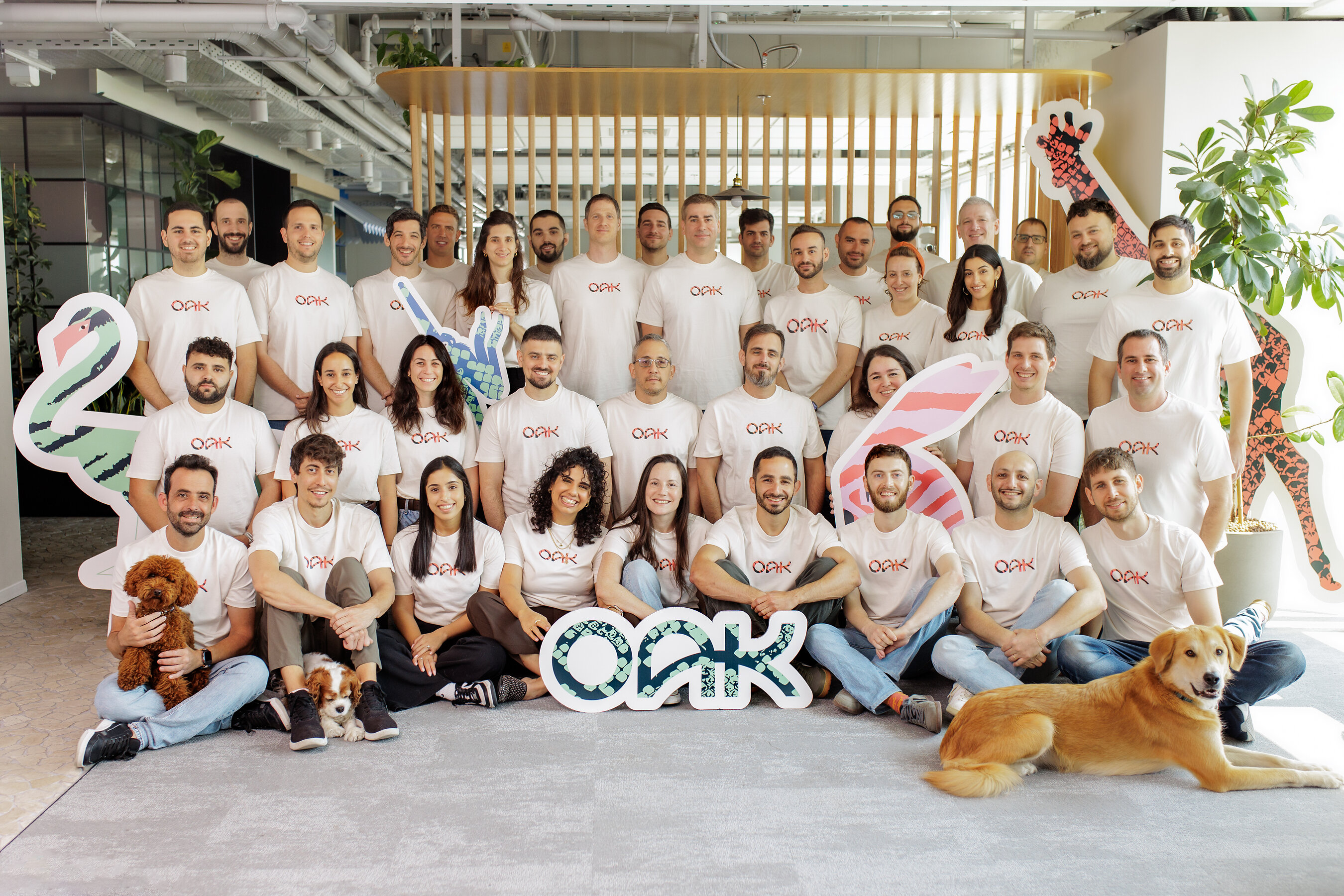
Tel Aviv, Israel and San Francisco – Oak has emerged from stealth mode today, announcing it has raised $60 million in seed funding to build the security industry's Identity Operating System. The AI-native platform is designed to replace the current fragmented stack of identity governance and security tools with a single, continuously updated control plane that governs all identities within an organization, including humans, machines, and AI agents.
The funding round was co-led by Accel, Greylock Partners, and CRV, with participation from Hetz Ventures, AlphaDrive Ventures, and strategic angel investors. Oak's solution is already generally available and being used by enterprise customers. The company was founded to address the growing challenge organizations face in managing and monitoring all identities connected to their systems, particularly the rapidly expanding number of non-human and AI-based identities.
Founded by serial entrepreneur Shai Morag and Tal Marom, Oak addresses the limitations of legacy identity management tools in today's dynamic environment. Morag stated that existing tools are not built for the current landscape, which includes an increasing number of machine and AI identities. Oak's objective is to provide a unified system that manages the entire lifecycle of all enterprise identities based on real-time data.
The company plans to use the capital to expand its team and accelerate the development of its platform. Oak's AI-native architecture reportedly allows for the creation of new connectors in hours, drastically reducing the time required by traditional systems. This enables detailed, real-time monitoring and risk management for every identity.
Oak plans to showcase its technology at Black Hat USA in August 2026. The company positions its offering as a consolidation for identity management, similar to how CNAPP has consolidated cloud security.