Omega-3 lipid compound may prevent fatty liver disease
Singapore scientists have identified a specific omega-3 lipid that may play a role in preventing fatty liver disease. The discovery could lead to new dietary interventions.
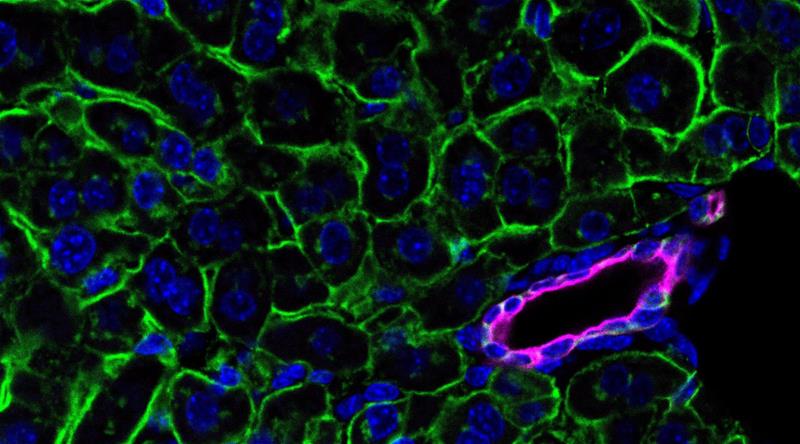
Researchers at Duke-NUS Medical School have identified a specific omega-3 lipid compound that may prevent the liver from accumulating excess fat. The findings, published in the Journal of Clinical Investigation, suggest this could pave the way for developing a new dietary supplement to prevent non-alcoholic fatty liver disease (NAFLD).
NAFLD is a significant health concern in Singapore, affecting approximately 40 percent of adults. The condition results from excessive fat buildup in the liver, which can lead to inflammation and cirrhosis. The study, a collaboration between Duke-NUS and Singapore General Hospital (SGH), focused on the Mfsd2a protein, which transports lysophosphatidylcholine (LPC) molecules into cells.
The research demonstrated that LPC compounds, particularly those containing omega-3 fatty acids, can protect the liver from dietary fat-induced damage. The scientists propose that increasing dietary intake of these compounds could offer long-term protection against NAFLD.
The discovery opens new avenues for the treatment and prevention of fatty liver disease. The research team plans to conduct further clinical studies to evaluate the efficacy of LPC supplementation in NAFLD patients. Researchers also emphasize the importance of maintaining overall liver health through healthy lifestyle choices.