OpenAI CEO's Parenting Hack Draws Widespread Parental Disagreement
OpenAI CEO Sam Altman proposed using AI to connect family calendars and children's interests for a daily "podcast." The suggestion immediately sparked significant backlash from parents.
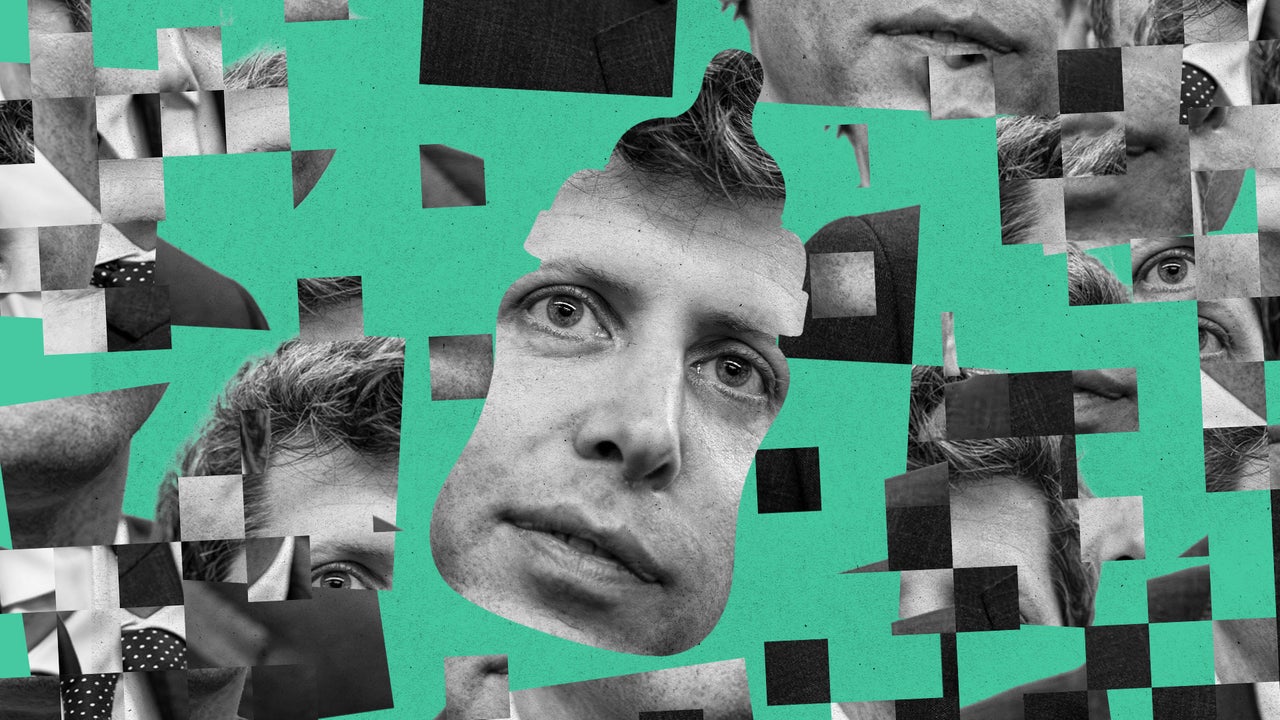
OpenAI CEO Sam Altman's recent suggestion for leveraging artificial intelligence in family life has met with considerable criticism from parents. On August 31, Altman posted on X, formerly Twitter, an idea involving connecting family calendars and children's interests to generate a daily "podcast" for the car ride to school. This podcast would reportedly cover topics such as a child's upcoming soccer game, birthday, or daily news.
The tweet quickly garnered thousands of comments, predominantly negative. Many parents viewed Altman's proposal as an example of tech leaders being out of touch with everyday realities. The core of the criticism focused on the idea of outsourcing what should be a natural, positive parent-child interaction to AI. "What if you just talked to your children?" emerged as a common sentiment, echoed by Alex Hirsch, creator of the TV show "Gravity Falls."
Concerns about data security also surfaced prominently. Commenters expressed skepticism about sharing detailed family schedules and children's personal interests with OpenAI, with some describing the proposition as "creepy." Game developer Sean Gause and film concept artist Reid Southen were among those who strongly criticized the notion of replacing parental engagement with AI.
This incident reflects a broader pattern of technology leaders often expressing highly optimistic views on AI, which do not always resonate with the general public. Earlier this year, several tech executives faced negative reactions at university graduation ceremonies for their pronouncements on AI. Some analysts suggest that leaders may suffer from "AI psychosis" due to their distance from the daily implementation and value creation involving AI.
Altman's latest tweet highlights the perceived disconnect between the perspectives of tech executives and the public's view on AI's role in daily life. While Altman may have intended a novel use case, it was widely interpreted as impractical and concerning.