Optogenetics Pioneers Awarded Nobel Prize in Physiology or Medicine
Karl Deisseroth, Peter Hegemann, and Georg Nagel have been awarded the Nobel Prize for developing optogenetics, a method to control nerve cells using light.
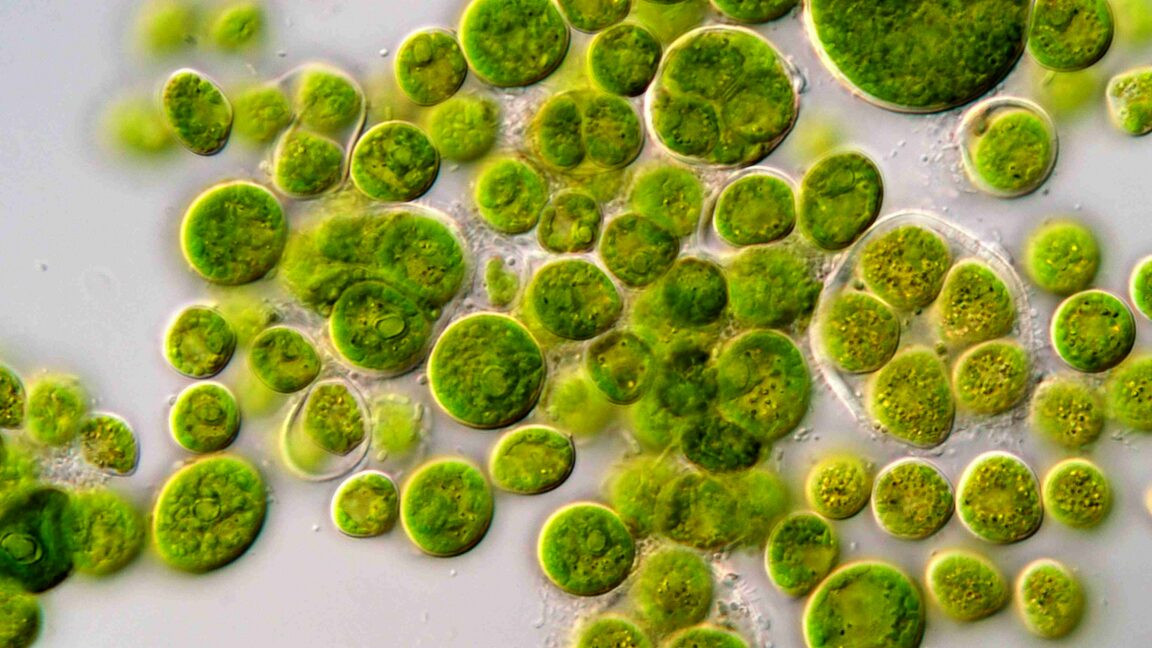
The 2019 Nobel Prize in Physiology or Medicine has been awarded to scientists Karl Deisseroth, Peter Hegemann, and Georg Nagel for their groundbreaking work in optogenetics. This revolutionary technique allows researchers to control the activity of specific nerve cells using light, offering unprecedented insights into brain function.
Optogenetics emerged from studies of single-celled algae that react to light. Over decades, researchers built upon this foundation, developing tools that enable the precise activation or deactivation of neurons. Unlike previous methods that relied on genetic deletion or studying brain damage, optogenetics allows for the manipulation of neuronal activity in an otherwise intact brain. This precision is crucial, as the brain's plasticity can otherwise mask the effects of cell loss or developmental changes.
The technique involves genetically modifying specific neurons to express light-sensitive proteins. When exposed to light of a particular wavelength, these proteins either activate or inhibit the targeted cells. This allows scientists to map neural circuits and understand the roles of individual neurons in complex behaviors and cognitive processes. The development of optogenetics has significantly advanced neuroscience, enabling detailed investigations into conditions such as Parkinson's disease, depression, and addiction.
This award recognizes the collaborative and persistent efforts of numerous scientists worldwide in establishing optogenetics as a vital tool in neuroscience research. The ability to precisely control neural circuits with light has opened new avenues for understanding the brain and holds potential for future therapeutic interventions.