Orthopedic Implants Market Driven by Aging Population and Degenerative Diseases
The global orthopedic implants market is projected to experience significant growth, fueled by an aging population and the rising prevalence of joint-related conditions. Technological advancements are also key drivers.
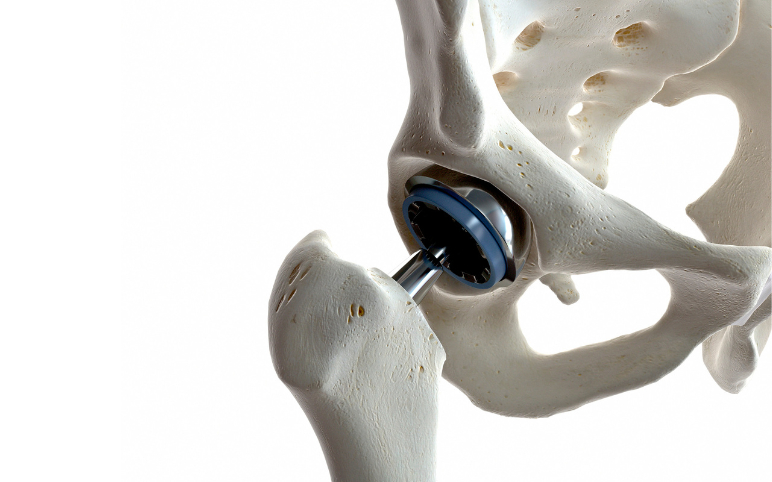
The market for orthopedic implants is set for substantial growth in the coming years, primarily driven by an aging global population and the increasing incidence of joint disorders. These implants, used to replace or support damaged or worn-out joints, are critical in restoring mobility and improving the quality of life for patients suffering from conditions like osteoarthritis and osteoporosis.
Several factors contribute to this market expansion. A higher prevalence of degenerative bone diseases requiring joint replacement surgeries is a major influence. Furthermore, technological innovations, including the development of advanced biomaterials and the adoption of 3D printing for customized implants, are enhancing the effectiveness and applicability of these devices.
Geographically, North America and Europe represent significant markets. However, the Asia-Pacific region is anticipated to witness the fastest growth due to its large and aging demographic, coupled with improving healthcare infrastructure and increasing patient awareness. The trend towards minimally invasive surgical procedures also supports market development.
Looking ahead, the orthopedic implants market is expected to continue its upward trajectory. Future innovations will likely focus on improving implant longevity, biocompatibility, and functional integration within the body. Addressing healthcare costs and meeting the evolving needs of patients will remain key challenges for industry players.