Ovako ramps up hydrogen production at Hofors steel plant
Ovako is commencing full-scale operation at its new hydrogen plant in Hofors, Sweden, aiming to reduce its annual CO2 emissions by 20,000 tonnes. The plant, one of Europe's largest electrolyzers, has a capacity of 8 tonnes of hydrogen daily.
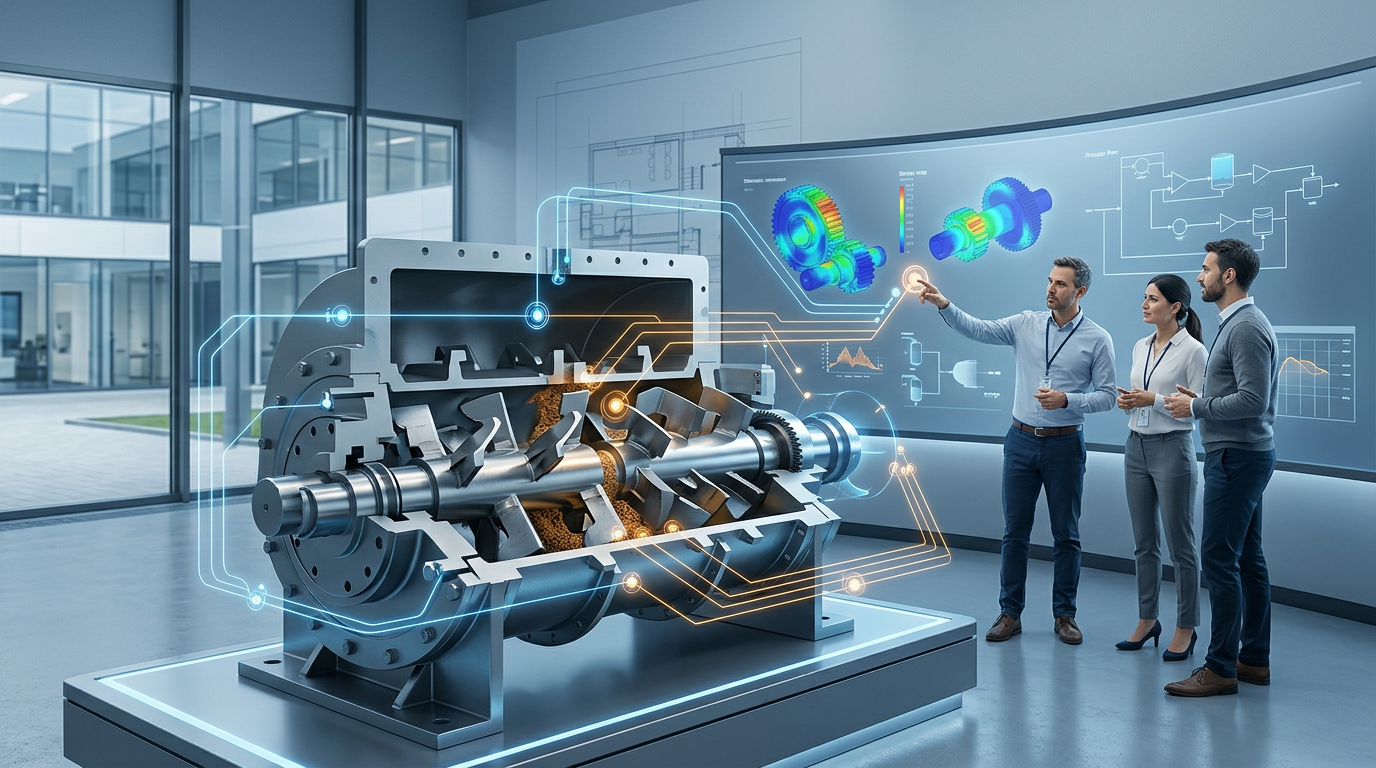
Ovako is set to begin full-scale production at its new hydrogen plant located at its steel mill in Hofors, Sweden. The facility is expected to significantly cut the company's carbon dioxide emissions by 20,000 tonnes per year through reduced reliance on fossil fuels.
The plant features one of Europe's largest electrolyzer units, capable of producing 8 tonnes of hydrogen per day with a power rating of 20 megawatts. This development marks a substantial step towards Ovako's long-term objective of achieving zero-emission steel production. The Hofors site has historical roots in iron production dating back to 1549, with the company having adopted cleaner technologies like electric arc furnaces since the 1930s.
The new hydrogen facility will utilize Nordic electricity to produce low-emission hydrogen, which will then fuel the reheating furnaces essential for shaping steel at the Hofors plant. This transition is designed to substantially decrease the need for fossil fuels and their associated emissions.
Development of the project involved collaboration with several partners, including the Swedish Energy Agency and the EU's Recovery and Resilience Facility (RRF). Hitachi Energy and Nel Hydrogen provided technological expertise and project delivery support. Volvo Group and H2 Green Steel are also engaged in promoting broader adoption of hydrogen technology.
Ovako's strategy includes further electrification of processes, such as reheating furnaces, as part of its ongoing decarbonization journey. The company has previously been recognized for its sustainability efforts, including closing its last blast furnace in 1977 and adopting advanced technologies.