Over Half World Population Exposed to Simultaneous Heat Waves and Wildfire Smoke
A Monash University study found that over half the global population experienced heat waves and wildfire smoke on the same day in the past two decades. The frequency of these co-exposures is increasing.
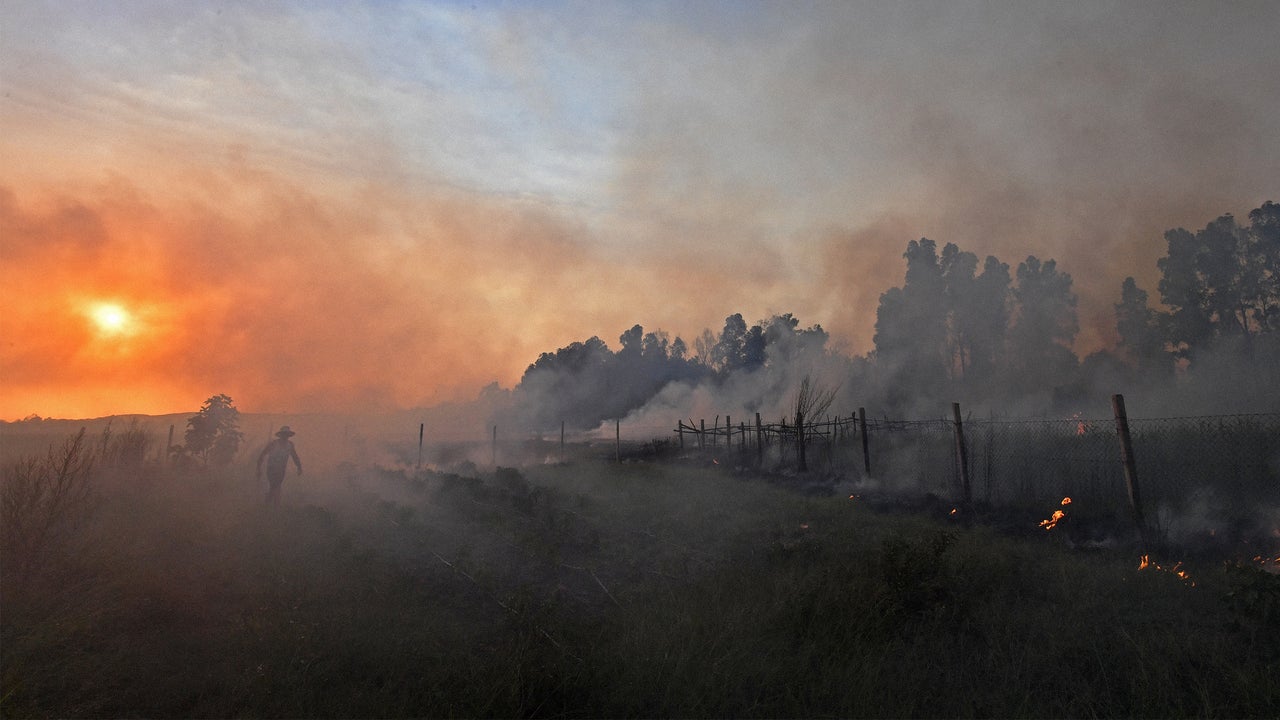
More than half of the world's population has been exposed to both heat waves and wildfire smoke on the same days over the past two decades, according to a study published in Science Advances by researchers at Monash University. The analysis of 20 years of data (2000-2019) revealed a significant increase in the number of people experiencing these simultaneous climate events.
Annually, the number of people exposed to both hazards on the same day rose from 761 million in the first decade to over one billion in the second. The average number of such co-exposure days per person also increased from one day to 1.7 days. This overlap not only highlights the increasing frequency of extreme weather but also demonstrates how their health impacts can compound.
The combined effects of extreme heat and wildfire smoke pose amplified health risks. Heat waves can lead to heatstroke and exacerbate respiratory conditions, while wildfire smoke, containing fine particulate matter (PM2.5), can enter the bloodstream, increasing the risk of cardiovascular and respiratory diseases. Research indicates that co-exposure to both hazards may exert greater health impacts than the sum of their individual effects.
The study also noted a feedback loop where high temperatures and dry conditions promote wildfires, which in turn release heat and pollution, exacerbating heat waves. Certain regions, like Zambia and the Democratic Republic of the Congo, experience a disproportionately high number of these co-exposure days. The findings suggest that countries with lower life expectancy, education, and income are often hit hardest, illustrating the unequal impact of climate change.