Ozlo Launches Sleepbuds 2 with Extended Battery Life and Connectivity Improvements
Ozlo, a company founded by former Bose engineers, has released its new Sleepbuds 2. The updated sleep earbuds feature extended battery life, improved connectivity, and enhanced audio capabilities.
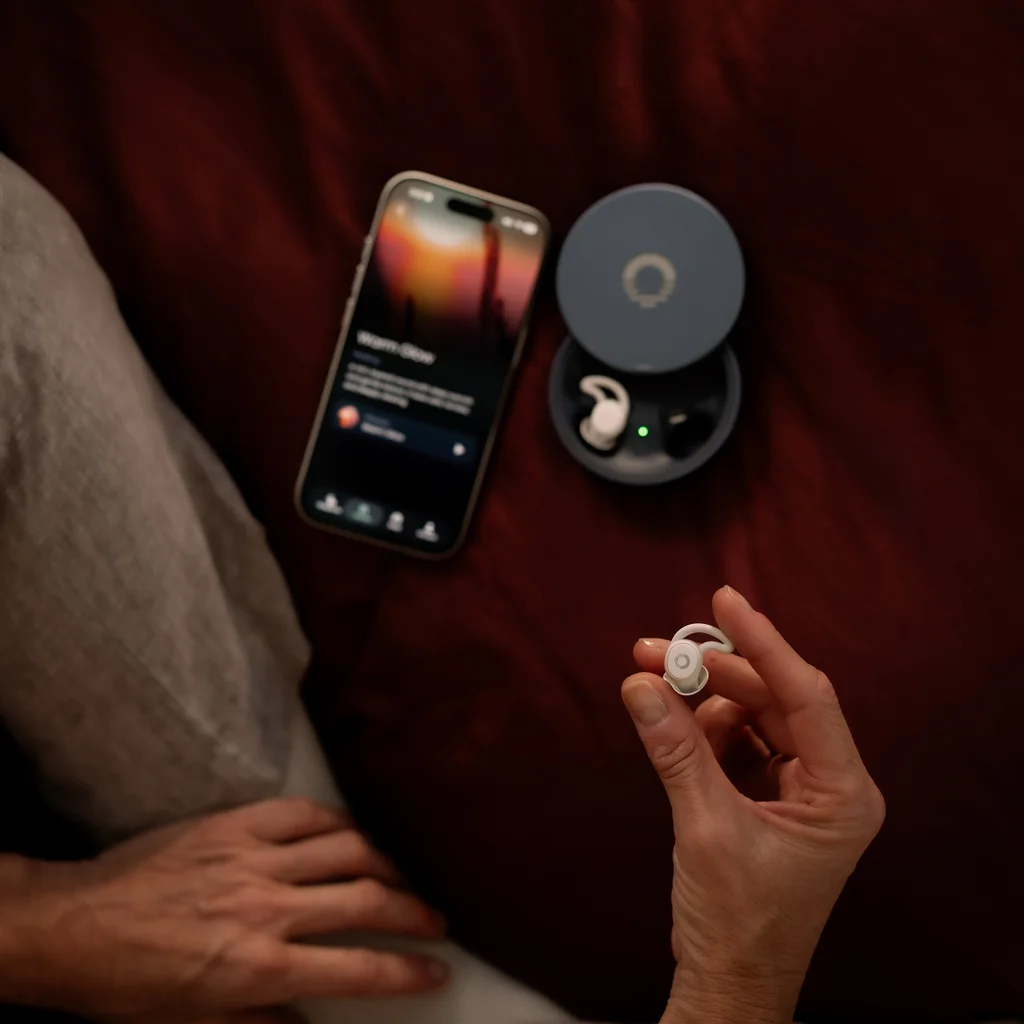
Ozlo, a company established by former Bose engineers, has introduced its latest product, the Sleepbuds 2. These earbuds are specifically designed for use during sleep, aiming to enhance the features of their predecessors while offering a more comfortable user experience.
A key improvement in the new earbuds is an extended battery life of up to 14 hours, a significant upgrade from the original model's 10 hours. This duration is expected to cover a full night's sleep, even when streaming audio via Bluetooth. Ozlo has also implemented a new data pin for improved connectivity with the charging case and faster pairing with user devices, addressing common issues with the initial version.
The Sleepbuds 2 incorporate a new audio package that supports finer equalization adjustments, allowing for specialized sound modes tailored for activities like airplane travel and podcast listening. Additionally, more accurate activity sensors have been integrated for enhanced sleep tracking. Charlie Taylor, Ozlo's co-founder, views the Sleepbuds 2 as a flagship product in a planned ecosystem that may include bedside speakers and clinical sleep interventions.
From a user perspective, the earbuds offer a library of built-in ambient sounds and an intelligent feature that transitions from Bluetooth audio to these sounds upon detecting sleep. Ozlo's sleep tracking philosophy focuses on gathering data on sleep duration and quality, alongside user-reported feelings upon waking, rather than assigning a numerical score. The company aims for users to feel better after using their products, incorporating feedback into development.
The Sleepbuds 2 are priced at $279, an increase of $30 from the original. While designed for comfort, particularly for side sleepers, some users have reported ear irritation. A notable absence is active noise cancellation, which may be a limitation for those seeking to block out loud noises like snoring, as ambient sounds would need to be significantly amplified to mask them.