Packers' Fan Ownership Stands Apart in NFL's Private Equity Landscape
The Green Bay Packers' unique community-owned structure contrasts sharply with the NFL's increasing trend of private equity investment and ownership stakes.
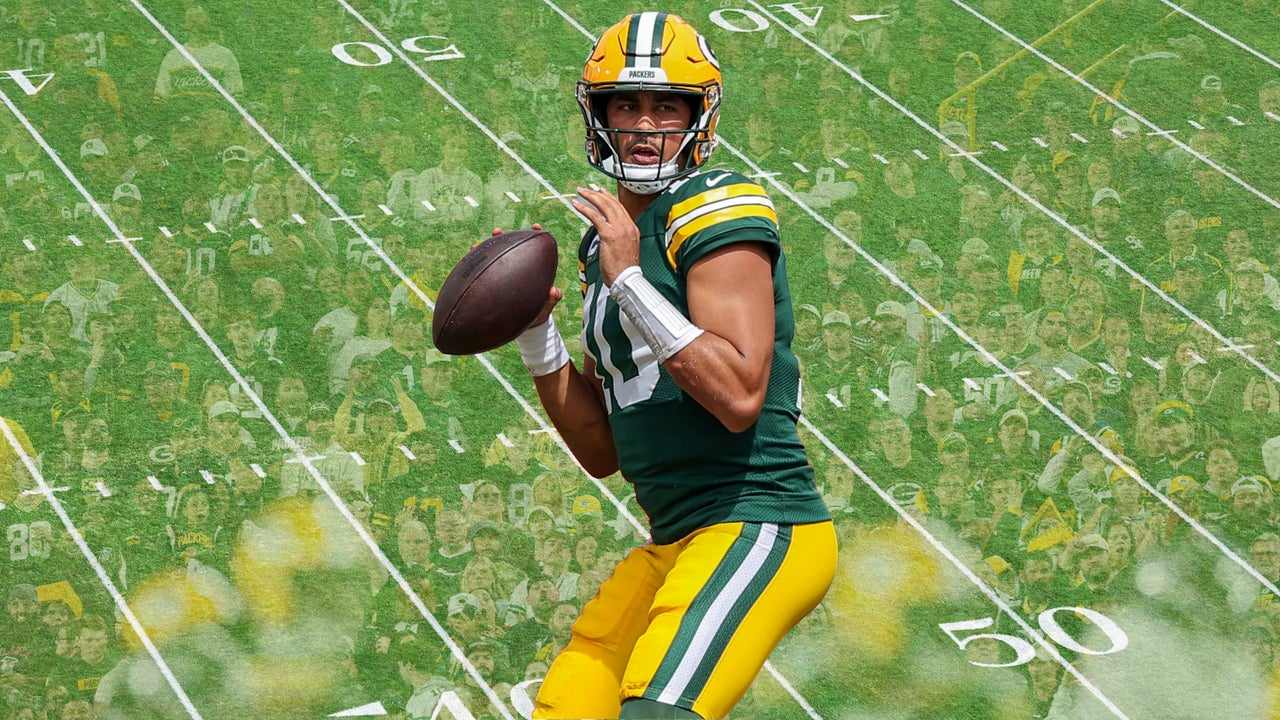
The Green Bay Packers' distinct community-owned model is increasingly standing apart as private equity plays a larger role in the NFL. While other franchises are selling minority stakes to raise substantial capital, the Packers' over 539,000 shareholders remain the team's sole owners. Shares in the team do not pay dividends, cannot appreciate in value, and are not available for sale at a profit. All proceeds are reinvested directly into the team's operations, facilities, and reserves.
"Because there was no owner, there were no resources allocated to other things," stated Andrew Brandt, former vice president of player finance for the Packers. "Where an owner might reallocate money to his yacht or family business, we were all football." This structure values the Packers at $8.59 billion, positioning it either as an enviable anomaly or a franchise facing a growing financial disadvantage, particularly as aging venues like Lambeau Field require significant future investment.
Fan ownership has been instrumental in the Packers' survival throughout its history. In 1923, local businessmen rescued the team from debt and incorporated it as a non-profit, selling shares to residents. Subsequent stock sales to fans in the 1930s and 1950s helped the team navigate financial difficulties and prevent it from becoming privately owned or leaving Green Bay. The NFL banned new non-profit teams in 1960, but the Packers were grandfathered into their unique structure.
NFL ownership rules have tightened significantly, restricting access for new investors. In 2024, NFL owners approved allowing private equity funds to acquire up to a 10% stake in a team, provided they remain passive and hold their investment for at least six years. Other leagues, such as MLB and NBA, have eased their regulations to accommodate larger private equity investments. The Packers' model, with its dispersed ownership and reinvestment of profits, is considered a historical accident unlikely to be replicated under current regulations. The team's articles of incorporation limit individual shareholdings and prohibit free trading of stock, preserving its community-centric nature.