Pallets: From Ancient Transport to Modern Global Trade
The use of pallets, originating in ancient times for transporting goods, has evolved into a critical element of modern logistics and global trade.
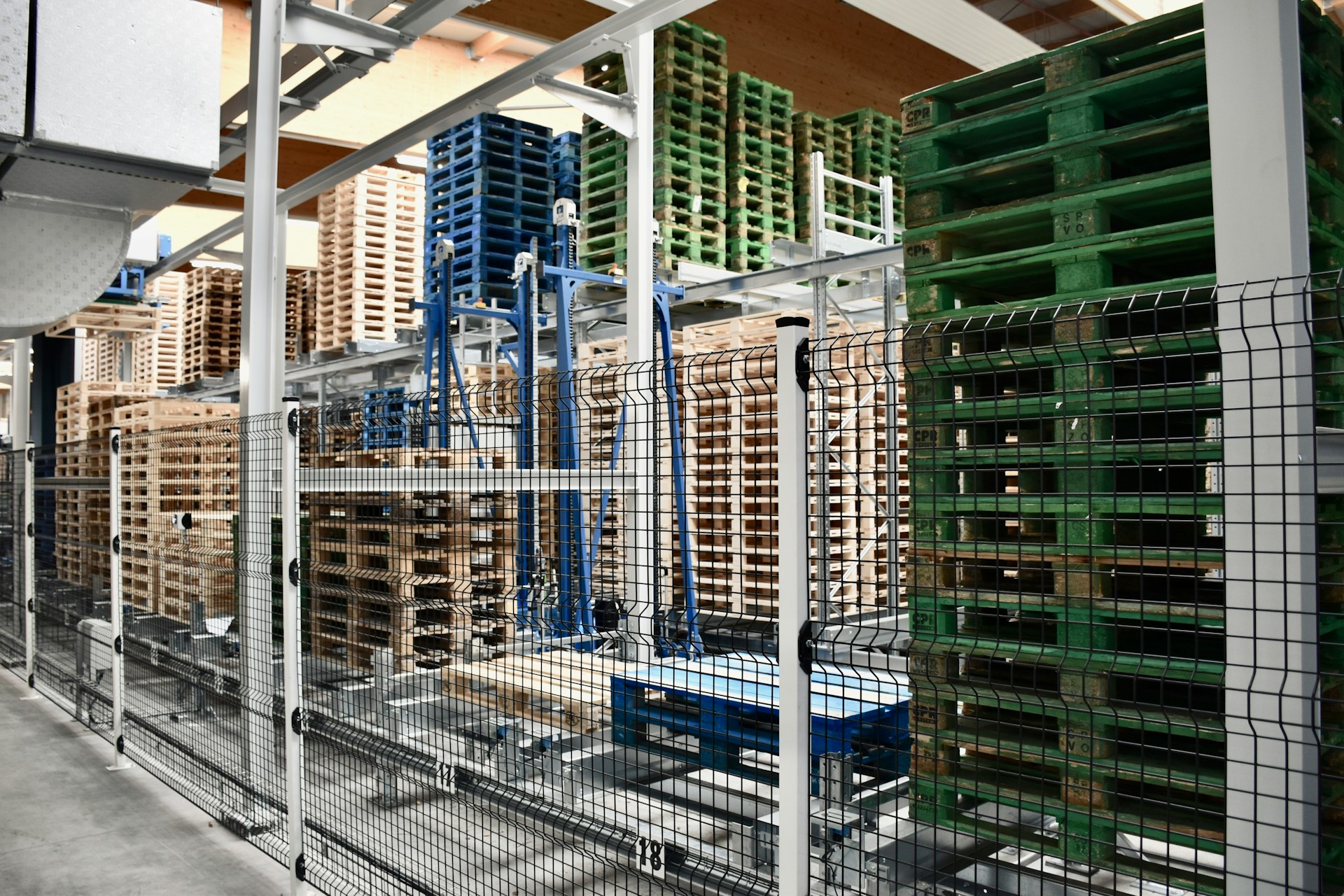
The history of pallets, tracing back to ancient Mediterranean regions for goods transport, has evolved into a crucial component of modern global trade and logistics. Early, non-standardized wooden platforms facilitated the movement of commodities like grain and oil in marketplaces.
Pallaboration's significance grew substantially in the mid-20th century with industrialization, particularly in North America and Europe. Standardization began to emerge in the post-war era, leading to the now-common 48x40 inch size, widely adopted by 1960. This standardization dramatically streamlined the handling, storage, and transportation of goods, reducing costs and enhancing efficiency.
The adoption of standardized pallets revolutionized warehouse management and supply chains. They enabled the development of automation within warehouses, including automated shelving systems and forklifts. Companies like Lantech have contributed to this advancement by offering innovative packaging solutions, such as automatic stretch wrappers, which enhance pallet stability and protection during transit.
The standardization of pallets has fueled the growth of global trade by enabling seamless international logistics chains. As technology advances, digital solutions and automation are increasingly integrated into pallet systems, promising even greater efficiency and sustainability in the global movement of goods in the future.