Pentagon's 'Iron Man' Exoskeleton Dreams Meet Reality
For decades, the U.S. Pentagon pursued advanced powered exoskeletons for soldiers. However, recent practical advancements focus on simpler designs that overcome the complex integration challenges of past ambitious projects.
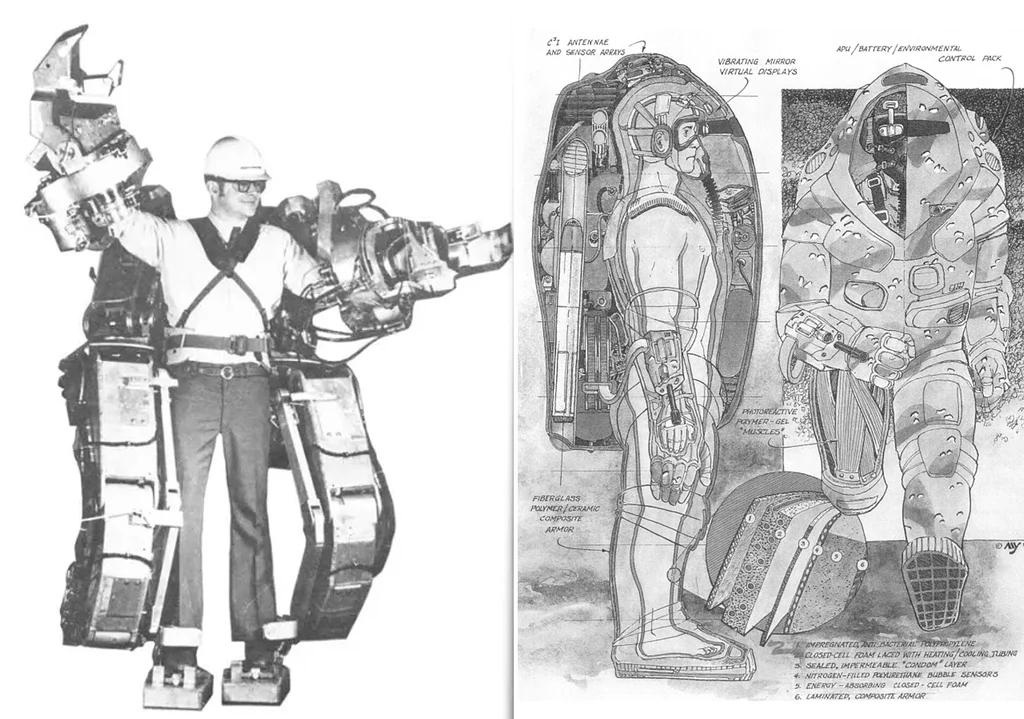
The U.S. Pentagon has spent decades pursuing the vision of powered exoskeletons that would grant soldiers superhuman strength, speed, and protection, inspired by science fiction like Robert Heinlein's "Starship Troopers" and Marvel's Iron Man. These ambitious projects, however, consistently faced significant engineering and physics hurdles.
Early attempts, such as General Electric's "Hardiman" suit in the 1960s, were massive, unwieldy machines plagued by uncontrollable motion and low speeds. Subsequent efforts, including DARPA-funded programs and systems developed by Lockheed Martin and Raytheon (formerly Sarcos), also failed to produce combat-ready or even practical field units.
The most recent high-profile project, the Tactical Assault Light Operator Suit (TALOS), often dubbed the "Iron Man suit," was ultimately shelved. According to the Pentagon, the program's downfall was the "complex subsystem interdependencies" – the inability to make disparate, sophisticated systems work together seamlessly.
Instead of aiming for fully integrated, heavy combat suits, current developments are leaning towards simpler, more targeted solutions. These less ambitious models offer practical advantages, such as assisting with heavy loads in logistics and support roles, circumventing the extensive technical challenges that plagued earlier, more complex exoskeleton concepts.