PepsiCo uses digital twins to redesign factories
PepsiCo is implementing digital twin technology to create precise 3D models of its manufacturing facilities. This allows for virtual testing of new layouts and process optimizations, aiming to increase production efficiency without physical downtime.
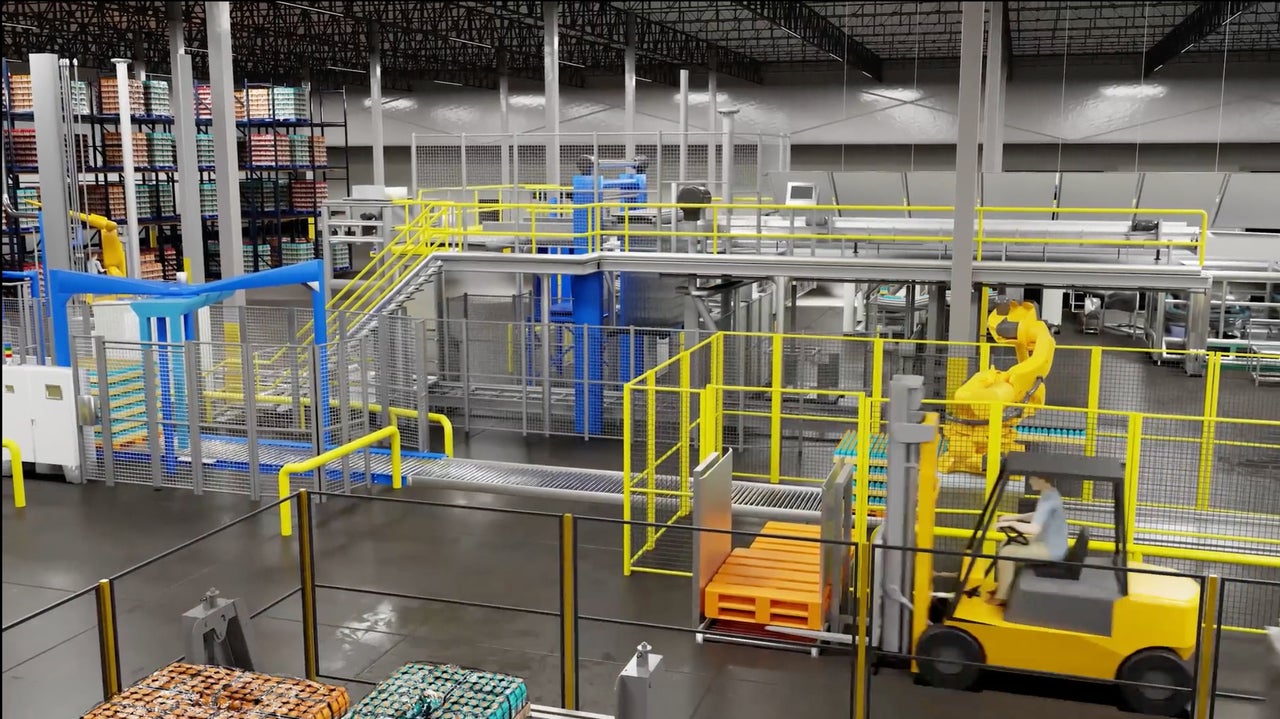
Food and beverage giant PepsiCo is reconfiguring its manufacturing operations using digital twins. These are dynamic, data-rich digital replicas of physical environments that enable companies to simulate and optimize processes before making any physical changes.
The company scans its facilities to create millimeter-accurate 3D models. Engineers then use these virtual environments to identify production bottlenecks and test new layouts, reducing the cost and risk associated with traditional factory redesigns.
PepsiCo began piloting digital twin technology in its U.S. operations several years ago. Initial results have been significant, with one beverage plant expected to see a 40% increase in production capacity, and other locations reporting 15-20% throughput gains.
Further expanding its use, PepsiCo has partnered with Siemens and Nvidia. By integrating their digital twin platform into its global workflows, the company aims to accelerate its digital-first planning strategy and respond more effectively to evolving consumer demands and supply chain complexities.