PFAS Testing Market Evolves with New Demands and Analytical Strategies
The PFAS testing market is shifting as regulatory demands and a better understanding of chemical impacts necessitate broader analytical approaches beyond traditional water samples.
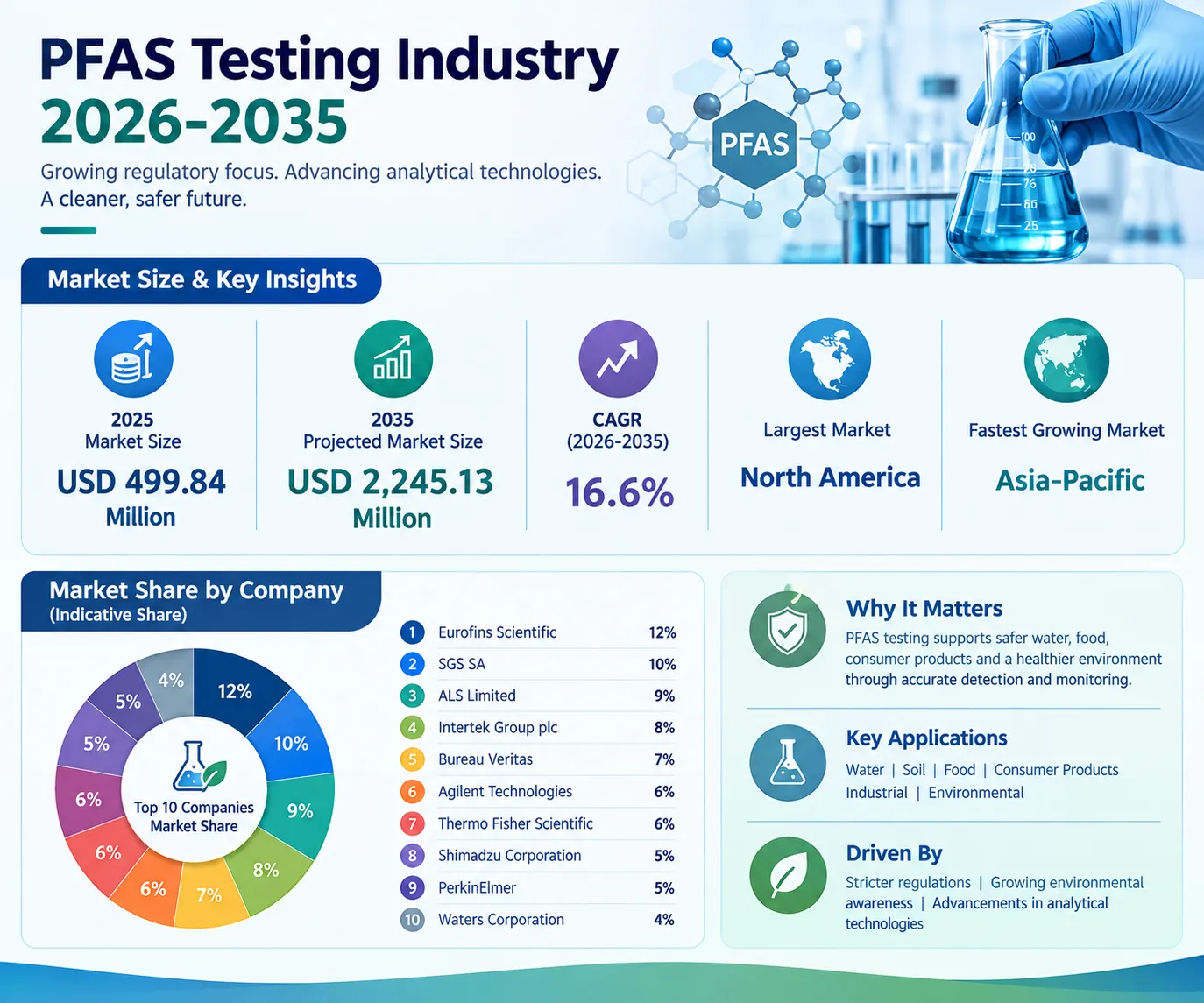
The market for per- and polyfluoroalkyl substances (PFAS) testing is undergoing significant evolution, driven by increasingly stringent regulations and a growing awareness of the environmental and health impacts of these chemicals. Laboratories and industries are adapting, moving beyond simple testing of known compounds in water.
Traditional PFAS testing methods, often focused on a defined list of regulated compounds, are becoming insufficient. The market is shifting towards layered analytical strategies. Targeted methods remain crucial for identifying specific regulated substances, while total fluorine screening helps prioritize materials for closer examination. High-resolution mass spectrometry is increasingly used for identifying previously uncharacterized compounds and investigating contamination sources. Methods for analyzing air and stack emissions are also gaining importance as industries assess treatment processes.
Key players in the PFAS testing market include multinational testing, inspection, and certification groups, as well as specialized environmental laboratories. Eurofins Scientific leverages its extensive infrastructure for targeted and non-targeted PFAS analysis. SGS focuses on advanced PFAS characterization and high-resolution mass spectrometry, catering to demands for more than simple detection results. Intertek offers strengths in product testing and certification, particularly relevant for brands seeking to validate PFAS-free claims.
Other significant contributors include ALS, expanding into volatile PFAS air analysis; Bureau Veritas, important for consumer product compliance; and Pace Analytical Services, visible in emerging method development. Element Materials Technology and Enthalpy Analytical provide specialized environmental laboratory capabilities. AGAT Laboratories and EMSL Analytical also form part of the competitive landscape.
Selecting a PFAS testing provider now hinges on understanding the specific decision a client needs to make. The right laboratory must be capable of analyzing complex matrices, meeting stringent reporting and chain-of-custody requirements, and providing data defensibility suitable for regulatory compliance and critical business decisions.