Photography: How to Choose Softbox Size
The size of a photography softbox determines how light is softened and how shadows fall. Selecting the correct size depends on the subject and shooting environment.
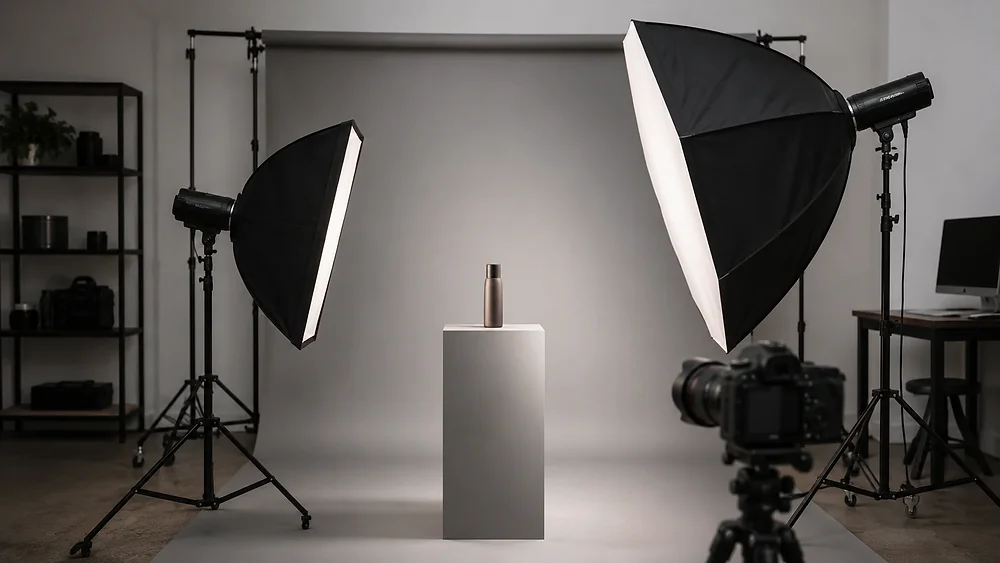
Flaşçı, a company specializing in photography equipment, provides guidance on selecting the appropriate size for softboxes, a crucial element for achieving desired lighting effects.
Small to medium-sized softboxes, such as 60x90 cm or 80x120 cm, are often practical for smaller subjects, like e-commerce products, when positioned closely. These sizes offer sufficiently soft light without consuming excessive space or requiring overly high power from the flash equipment.
Larger softboxes, like 90x120 cm or 120x180 cm, prove beneficial for broader applications, including full-body model shots, furniture photography, or catalog work. They distribute light over a wider area, resulting in softer gradations and more uniform reflections on glossy surfaces.
However, the actual impact of a softbox is not solely dictated by its dimensions but also by its distance to the subject. A medium-sized softbox placed closer may yield softer light than a larger one positioned further away, due to its increased apparent size from the subject's perspective. Flaşçı emphasizes that the optimal size is relative to the shooting environment and the intended light quality.
For photography of reflective surfaces, such as glass and metal, the softbox's size and shape directly influence the product's reflection. In these scenarios, it is essential to consider not only the softness of the light but also the visual quality of the reflection. Flaşçı offers various softbox sizes and shapes to assist photographers in achieving their desired outcomes across different shooting contexts.