Physicist calculates Star Trek's "Picard maneuver"
Physicist Níckolas de Aguiar Alves has analyzed the physics of Star Trek: The Next Generation's "Picard maneuver," revealing its deeper implications within relativity theory.
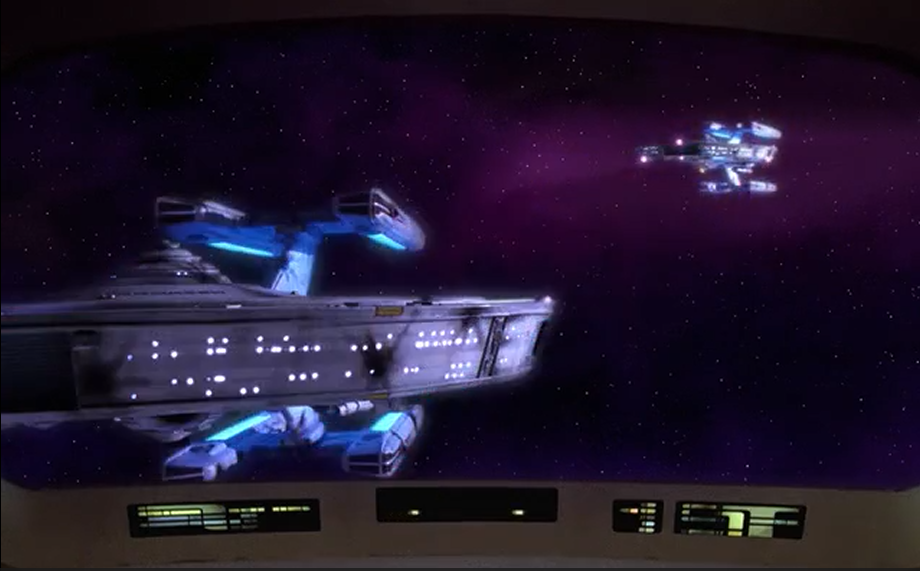
Physicist Níckolas de Aguiar Alves has examined the iconic "Picard maneuver" from Star Trek: The Next Generation and found it aligns more closely with the principles of relativity than the show's writers may have realized. Alves, based at the Federal University of ABC in Brazil, observed that the maneuver, depicted in the episode "The Battle" where Captain Jean-Luc Picard's ship Stargazer charges an enemy at warp speed then abruptly stops, could serve as an excellent example of more complex aspects of Albert Einstein's theory of relativity.
The maneuver, described as a gamble to get closer without taking a hit by anticipating the enemy would see two images of the ship – one at warp speed and one stopped – is calculated by Alves to have even more complex real-world effects than depicted. Rather than creating a plot hole, this detail makes the maneuver more impressive and serves as a great opportunity to teach about relativity.
The analysis offers a new perspective on the relationship between science fiction and physics, demonstrating how popular culture examples can be used to illustrate and deepen the understanding of scientific principles.