Picus Security Details PPID Spoofing Attack Detection
Cybersecurity firm Picus Security has published a guide on detecting Parent PID (PPID) spoofing attacks. The techniques described aim to identify methods used for evading defenses and escalating privileges.
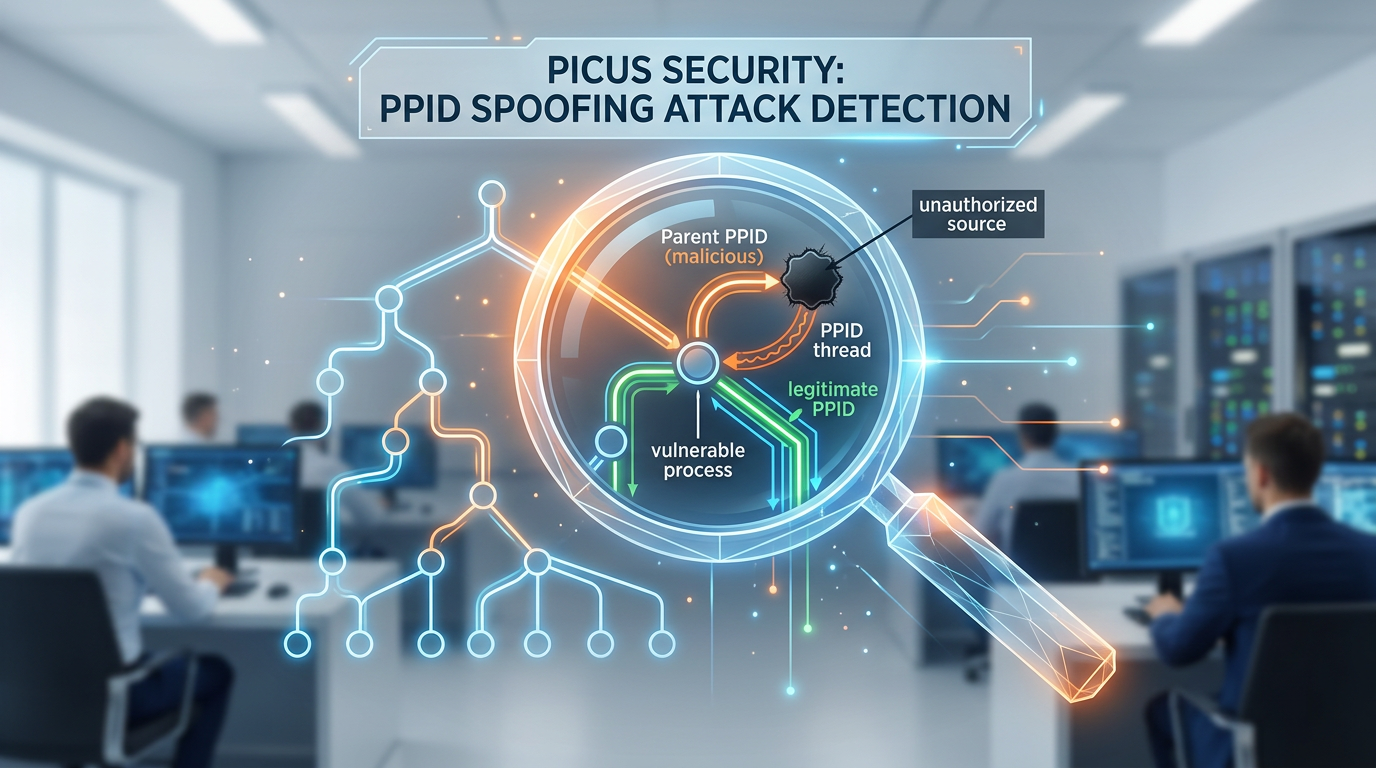
Picus Security, a cybersecurity provider, has released new technical guidance focused on the detection of Parent Process ID (PPID) spoofing attacks. This attack vector is commonly employed by malicious actors to bypass security measures and gain elevated privileges within targeted systems.
The firm explains that while default Windows security logs offer some visibility, effective detection of PPID spoofing necessitates additional telemetry data that is not enabled by standard configurations. The guide details the function of process IDs and outlines the use of Windows' Event Tracing for Windows (ETW) tool for event logging.
The accompanying article elaborates on the mechanisms of PPID spoofing attacks, providing illustrative examples. Crucially, the detection strategy relies on analyzing Kernel-Process logs, which requires the activation of specific ETW providers. ETW is presented as a native Windows monitoring utility capable of real-time system event tracking.
Picus Security offers technical insights into collecting and analyzing this log data to uncover potentially malicious activities. The company emphasizes the importance of continuous and thorough log monitoring for timely identification and response to security threats.