Polestar collaborates with Oxford University to study driver physiological response
Electric vehicle manufacturer Polestar has partnered with researchers at the University of Oxford to quantify the human physiological impact of operating high-performance vehicles.
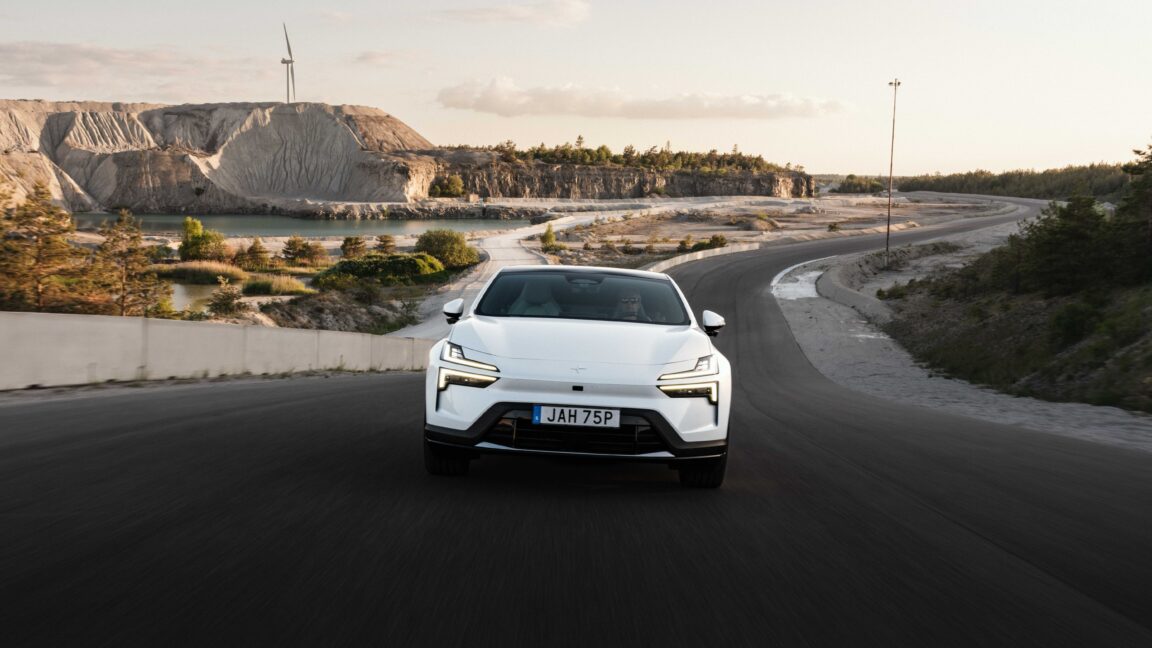
Polestar is moving beyond traditional performance metrics like acceleration and lap times to investigate how vehicle dynamics affect drivers on a biological level. The manufacturer has initiated a research project with academics at the University of Oxford to measure physiological responses during high-speed driving scenarios.
While the automotive industry typically focuses on measurable data such as 0-60 mph times and horsepower, this study seeks to understand the human experience behind the wheel. The research aims to collect empirical data on how performance technology influences driver stress, focus, and physical response.
This initiative highlights a shift toward prioritizing human-centric data in electric vehicle development. By analyzing these biological markers, Polestar intends to better understand the relationship between performance engineering and driver interaction.