Post-Installation Steps for New HVAC Systems: A Homeowner's Guide
HVAC Inspections Los Angeles has released a guide for homeowners on steps to take after new HVAC system installation. The guide covers warranty registration, permit finalization, and system optimization.
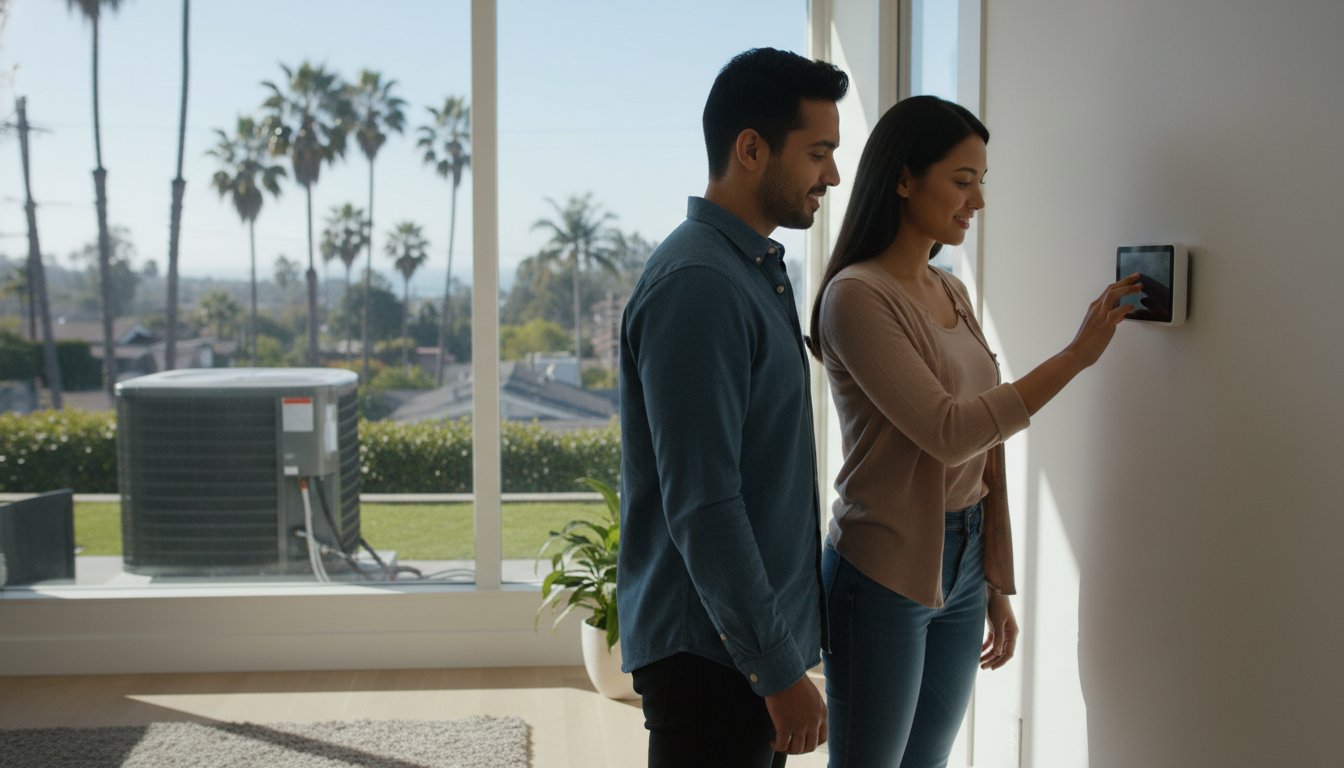
HVAC Inspections Los Angeles has published a guide outlining essential steps for homeowners after the installation of a new heating, ventilation, and air conditioning (HVAC) system. The company stresses that the process does not conclude when the installation crew departs, emphasizing the homeowner's role in ensuring long-term system performance and efficiency.
The guide recommends an immediate post-installation walkthrough by the homeowner. This involves a visual inspection of both indoor and outdoor components to confirm the equipment is undamaged and the installation site is clear of debris. Verifying these details promptly can help identify potential issues before they lead to more significant problems.
Furthermore, the publication advises homeowners on protecting their investment through warranty registration and permit finalization. Registering manufacturer warranties, such as those for Trane or Mitsubishi systems, within 60 days of installation is highlighted as crucial. The guide also touches upon navigating the process for potential rebates from the Los Angeles Department of Water and Power (LADWP).
To maximize comfort and energy savings, the guide suggests optimizing the new system for local conditions. This includes programming the thermostat to align with Los Angeles' time-of-use electricity rates and specific coastal humidity demands. Establishing a regular maintenance schedule is also recommended for sustained performance.
HVAC Inspections Los Angeles also offers third-party inspection services. These inspections aim to verify that installed systems meet California's stringent building codes and Title 24 energy standards. The company asserts that such professional assessments can uncover hidden defects that might otherwise compromise the system's efficiency and safety.