Printed architecture from yeast makes its debut
Researchers have developed a new construction material based on baker's yeast and industrial by-products. The 3D-printable and biodegradable material offers a sustainable alternative to traditional building materials.
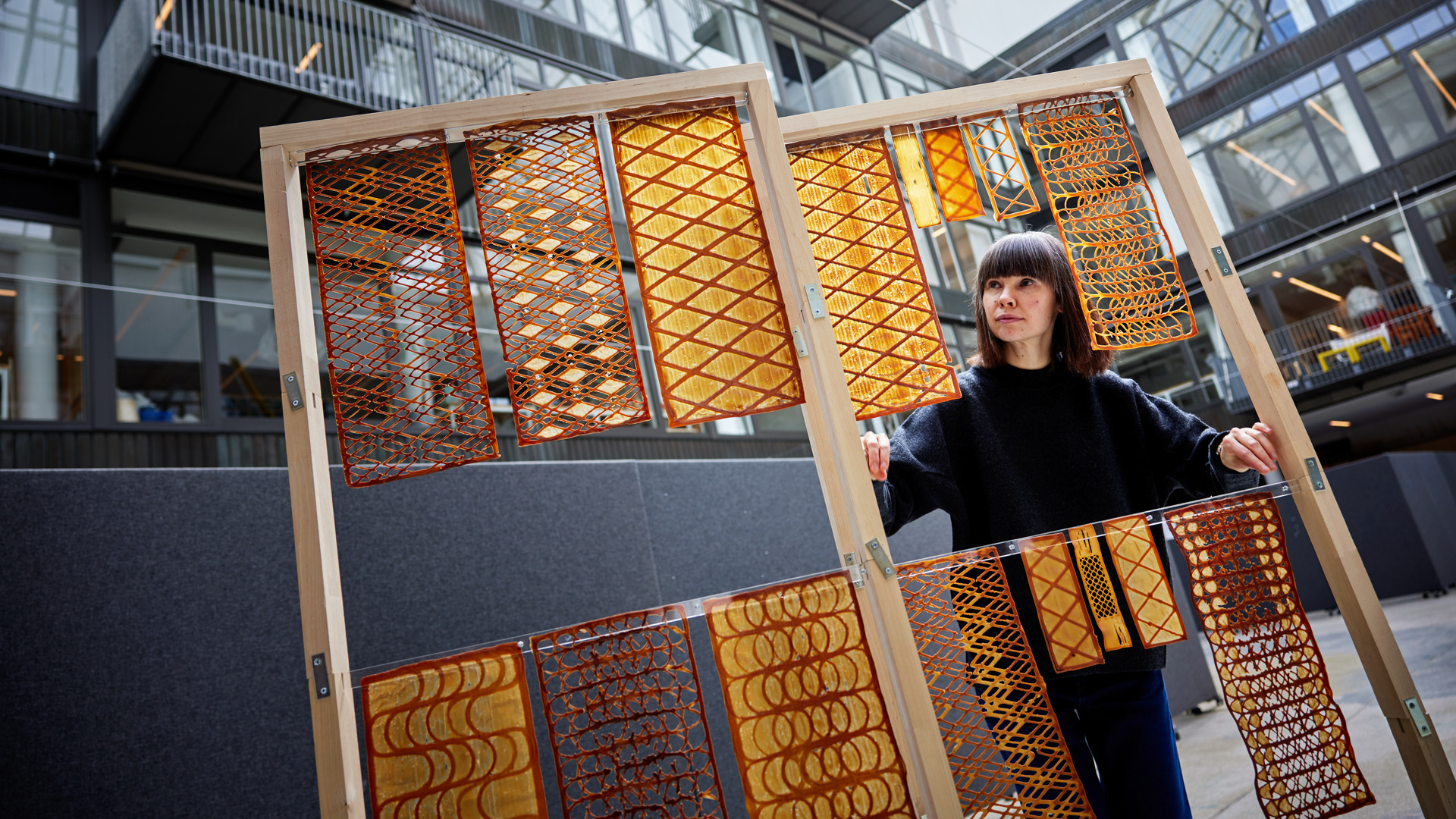
Researchers at Chalmers University of Technology have developed a new construction material utilizing baker's yeast and industrial residual products. The aim is to create more sustainable and renewable alternatives for the construction sector, which is a major contributor to global emissions and resource consumption.
The novel material is composed of baker's yeast, cellulose fibers from wood, alginate from algae, plant-based glycerol, and water. These ingredients form a hydrogel, a malleable substance that can be 3D-printed. Professor Malgorzata Zboinska at Chalmers explains that the research focuses on combining biomaterials with digital manufacturing for architectural components.
The process involves heating and deactivating the yeast, then mixing it with the other components to create a smooth mass. This mass can be 3D-printed at room temperature without the need for energy-intensive heating or support structures. This method allows for the creation of complex shapes with minimal waste and precise control over material distribution.
The material's properties, such as transparency and color, can be adjusted, making it suitable for interior applications like screens or partitions. In the long term, it could serve as an eco-friendly alternative to plastics and petroleum-based products. The material is also biodegradable, supporting circular design principles. Future research will assess its strength, fire safety, and moisture performance, alongside scaling up manufacturing.