Protester challenge Indian Prime Minister Modi's power
Indian Prime Minister Narendra Modi's previously unassailable power is being challenged by protest movements. The "Cockroach Janta Party" has forced concessions from his government, highlighting dynamics of resistance.
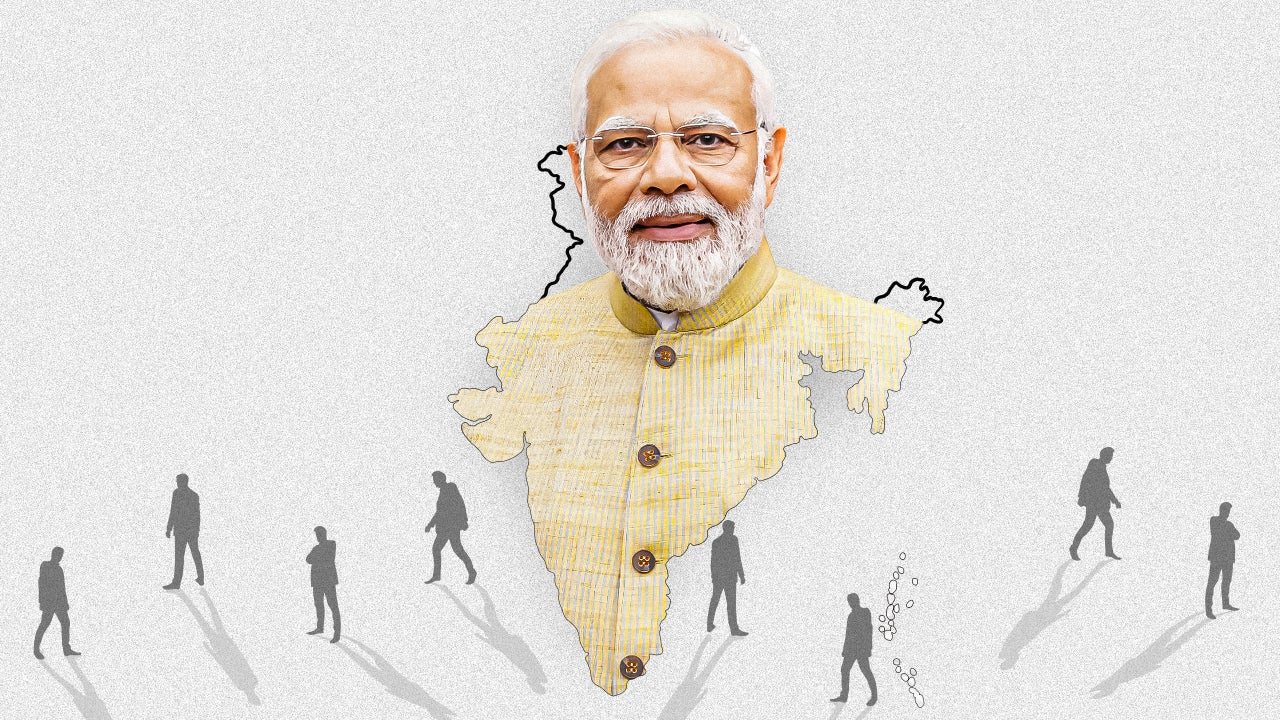
Indian Prime Minister Narendra Modi, whose government has long appeared unassailable, is facing growing challenges from protest movements. Large-scale demonstrations, led by the satirical "Cockroach Janta Party," have already prompted concessions from the administration, including demands for examination reforms.
These events reflect broader global trends where small, interconnected groups can trigger rapid and widespread change. Historical examples include the "color revolutions" in Eastern Europe and the "Arab Spring," demonstrating how resistance can coalesce even under dominant regimes.
Analysts note that the exercise of power can simultaneously sow the seeds of resistance. When citizens perceive power consolidation and preferential treatment for insiders, discontent can rapidly escalate. This pattern echoes corporate examples like Enron and Blockbuster, where immense success eventually led to downfall.
Sustained movements often succeed by projecting and maintaining shared values, rather than solely relying on differentiating identities. The durability and effectiveness of a movement hinge on its ability to forge a common identity rooted in shared values.
The escalation of protests is often described as occurring "gradually, then suddenly." Small tensions and pockets of discontent can rapidly form a cascade of resistance, particularly when triggered by an external event, such as leaked examination papers in India. The "Cockroach Janta Party" garnered support from student organizations, with opposition parties amplifying its demands.