Psychologist's New Book Examines How Beliefs Are Formed and Changed
Social psychologist Owen Fitzpatrick's new book, 'Inner Propaganda,' explores how the human mind constructs and defends beliefs, arguing they are often constructed stories rather than reflections of objective reality.
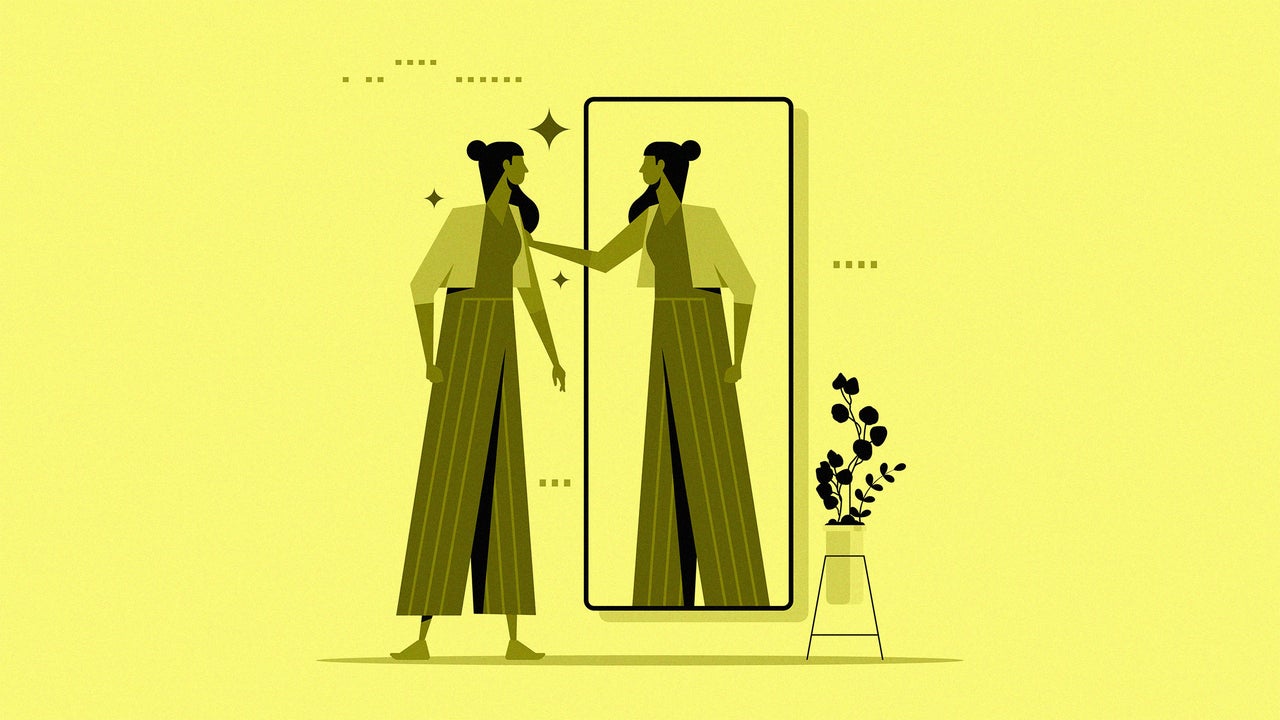
Social psychologist Owen Fitzpatrick has released a new book, "Inner Propaganda: Leading Hearts and Minds Through Turbulent Times." In the work, he delves into how individuals form, challenge, and transform their beliefs. Fitzpatrick posits that beliefs do not originate from objective reality but are instead stories that the mind constructs and then defends as truth.
Fitzpatrick, who has spent three decades studying the formation and alteration of beliefs, has traveled to over 100 countries to understand the mechanics of persuasion and propaganda. He now works with leaders and organizations globally, assisting them in grasping and leveraging the power of belief. The book suggests that by understanding the workings of our internal "propaganda system," we can question and reshape it, thereby influencing ourselves and others more effectively.
A core concept presented is that each person is their own greatest propagandist. Fitzpatrick illustrates how the mind can create a version of reality that feels irrefutable, even if it is based on flawed or distorted premises. He uses a personal anecdote from his youth, where suicidal thoughts took hold until a single critical question opened a new perspective.
Fitzpatrick emphasizes that the brain functions as a "double agent"—it appears to serve us, yet can simultaneously feed us an interpretation of reality we have not consciously approved. He argues the most effective deception is not what we resist, but what we implicitly trust. The book advocates that beliefs are best changed by first making them "feel right" before constructing a logical basis for them. By acknowledging different forms of "truth"—objective, emotional, desired, shared, and past—one can influence individuals more effectively.