Quality HC Urges Homeowners to Prepare AC for Extreme Heat
Tulsa-area company advises homeowners on simple steps to ensure air conditioning systems are ready for prolonged heat and avoid costly breakdowns.
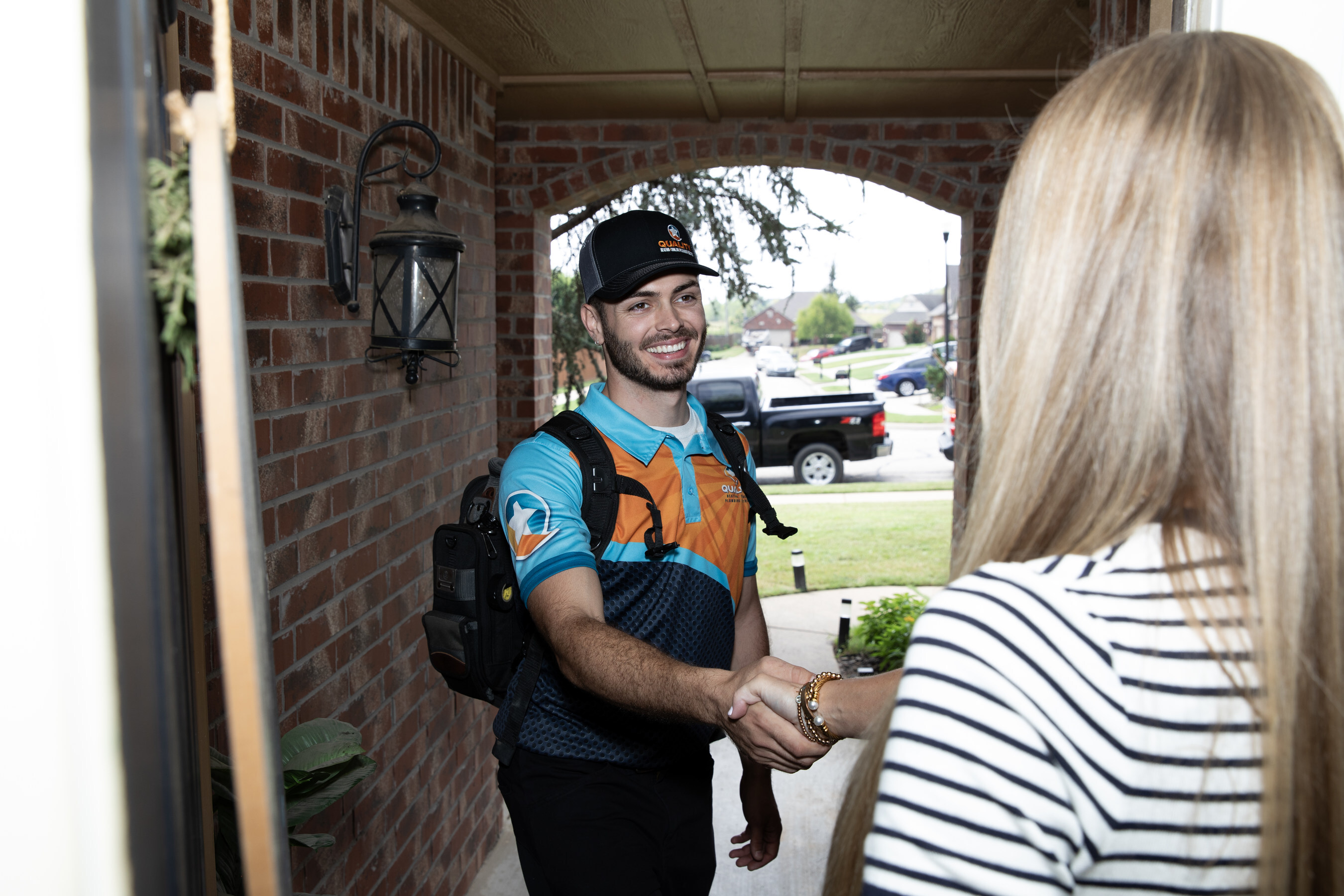
Quality Heating, Cooling, Plumbing & Electric, a home services company based in Glenpool, is urging Tulsa-area homeowners to take preventative measures to ensure their air conditioning systems can reliably operate during upcoming periods of extreme heat. The company notes that extended periods of high temperatures put significant strain on AC units, potentially leading to costly repairs.
According to the U.S. Energy Information Administration, heating and cooling account for 52% of a household's annual energy consumption. Oscar Pound, co-owner of Quality HC, stated that prolonged heat exposes any underlying issues with AC units and can increase operating costs if equipment is not functioning efficiently.
The company recommends several steps to reduce strain and prevent breakdowns: regularly replacing dirty air filters, keeping outdoor condenser units clear of debris, closing blinds or curtains during peak heat hours, and avoiding large thermostat adjustments that overwork the system. Professional maintenance is also advised if a unit struggles to maintain the desired temperature.
Pound indicated that many emergency service calls during summer could be avoided with routine maintenance. Addressing minor issues such as restricted airflow, low refrigerant levels, or worn electrical components proactively can be significantly less expensive than repairing a complete system failure during a heat wave.
The company advises homeowners to monitor for warning signs like rising utility bills, unusual noises, or longer cooling cycles, which may signal a need for professional attention. Proactive preparation can prevent unexpected breakdowns and help ensure cooling systems can cope with high temperatures.