Quantum Computing Advances Beyond AI Hype, Experts Say
While AI dominates headlines, quantum computing is making significant strides in qubit control, error correction, and algorithm development, attracting growing investor interest.
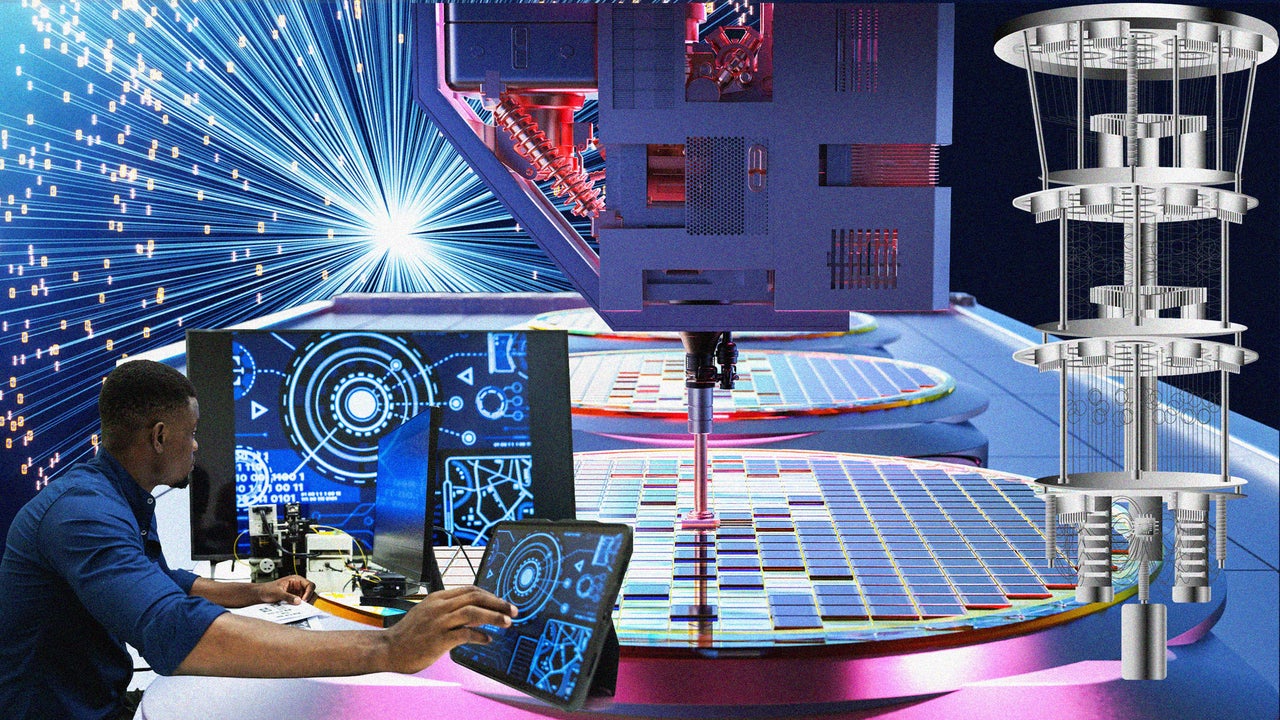
Quantum computing is progressing steadily, moving beyond theoretical potential towards practical applications, according to industry experts. While artificial intelligence captures public attention, advancements in quantum technology are accelerating, focusing on improving qubit stability, enhancing error correction techniques, and developing more efficient quantum algorithms.
The core challenge of controlling delicate qubits, the building blocks of quantum computers, is being addressed through more robust hardware and sophisticated error mitigation strategies. These improvements are crucial for enabling quantum computers to tackle complex problems currently intractable for classical supercomputers, such as discovering new materials, optimizing complex supply chains, and accelerating drug discovery.
The industry is increasingly focused on achieving "fault tolerance," a state where quantum computers can automatically detect and correct errors, which is seen as a key milestone for widespread enterprise adoption. While fully fault-tolerant systems are still under development, significant progress has been made in hardware quality and scalability, fostering optimism among researchers and investors.
This progress is reflected in a surge of investment into quantum computing startups and major players. Several companies have recently gone public or secured substantial funding rounds, indicating growing confidence in the technology's commercial viability. Experts suggest that while a true "quantum advantage" solving commercially relevant problems is still developing, the foundational work and investment point towards a significant future impact.