Ramsay Santé Provides Guidance for Summer Heatwaves
Healthcare provider Ramsay Santé is offering advice on managing summer heat and heatwaves, emphasizing hydration, safe travel, and recognizing warning signs.
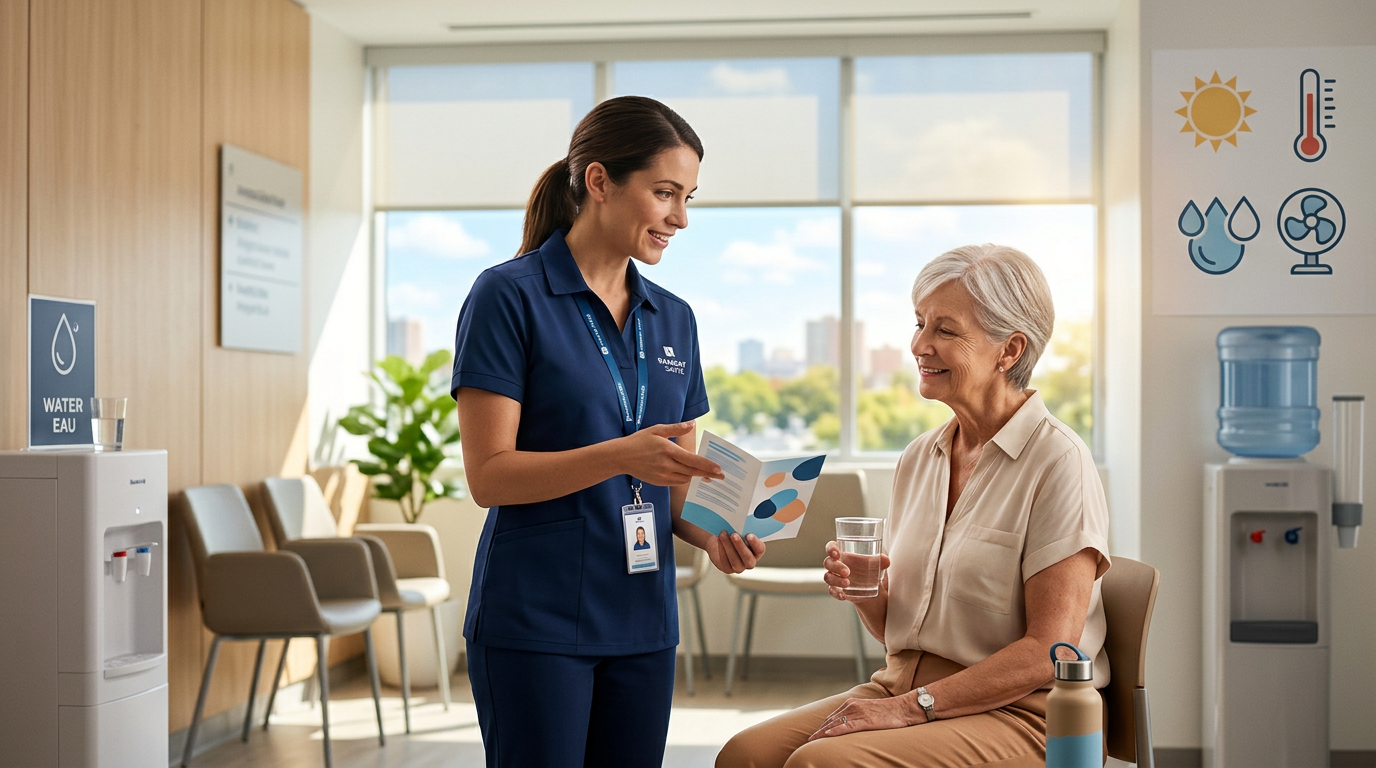
Ramsay Santé, a healthcare services group, has issued comprehensive recommendations for navigating summer heat and potential heatwaves. The guidance focuses on maintaining well-being during travel and holidays, as well as recognizing warning signs for heat-related health risks.
For travelers, the advice includes ensuring adequate water supply in vehicles, avoiding significant temperature differences with air conditioning, and taking breaks every two hours, particularly during the hottest periods between 12 PM and 4 PM. During holidays, individuals are urged to avoid prolonged sun exposure and strenuous physical activity during peak heat hours, instead seeking shade and cooler environments. When at the beach or pool, gradual entry into the water is advised to prevent shock. Dietary recommendations suggest opting for light, water-rich meals like salads and raw vegetables, and avoiding cooking that requires prolonged exposure to heat.
Ramsay Santé defines a heatwave (canicule) as a period where daytime temperatures exceed 30°C and nighttime temperatures remain above 20°C for more than three consecutive days. These conditions can strain the body, leading to dehydration and heatstroke, where the body's temperature regulation fails. Warning signs such as fever, skin redness, nausea, dry mouth, unusual drowsiness, or delirium should be monitored.
In cases of heat-related distress, the affected person should be moved to shade, preferably a cool location. Cooling can be achieved by spraying water on the face, arms, and head. If conscious, small amounts of water should be given. In severe situations, or if children, the elderly, or chronically ill individuals exhibit disorientation or high fever, emergency services should be contacted.
General precautions include avoiding outdoor activities between 11 AM and 5 PM and spending a few hours daily in a cool place, such as a shopping center or library, to allow the body to recover. Regular hydration is essential, with at least 1.5 liters of water per day recommended, while alcohol, coffee, and sugary drinks should be avoided as they can contribute to dehydration. Homes should be kept cool by closing windows and shutters during the day and opening them in the evening if temperatures drop. Special attention should be paid to young children, the elderly, and those with chronic illnesses, with regular check-ins recommended.