Recycling Habits May Increase Waste Generation
New research suggests that the availability of recycling can lead to increased consumption and a distorted perception of responsible waste management.
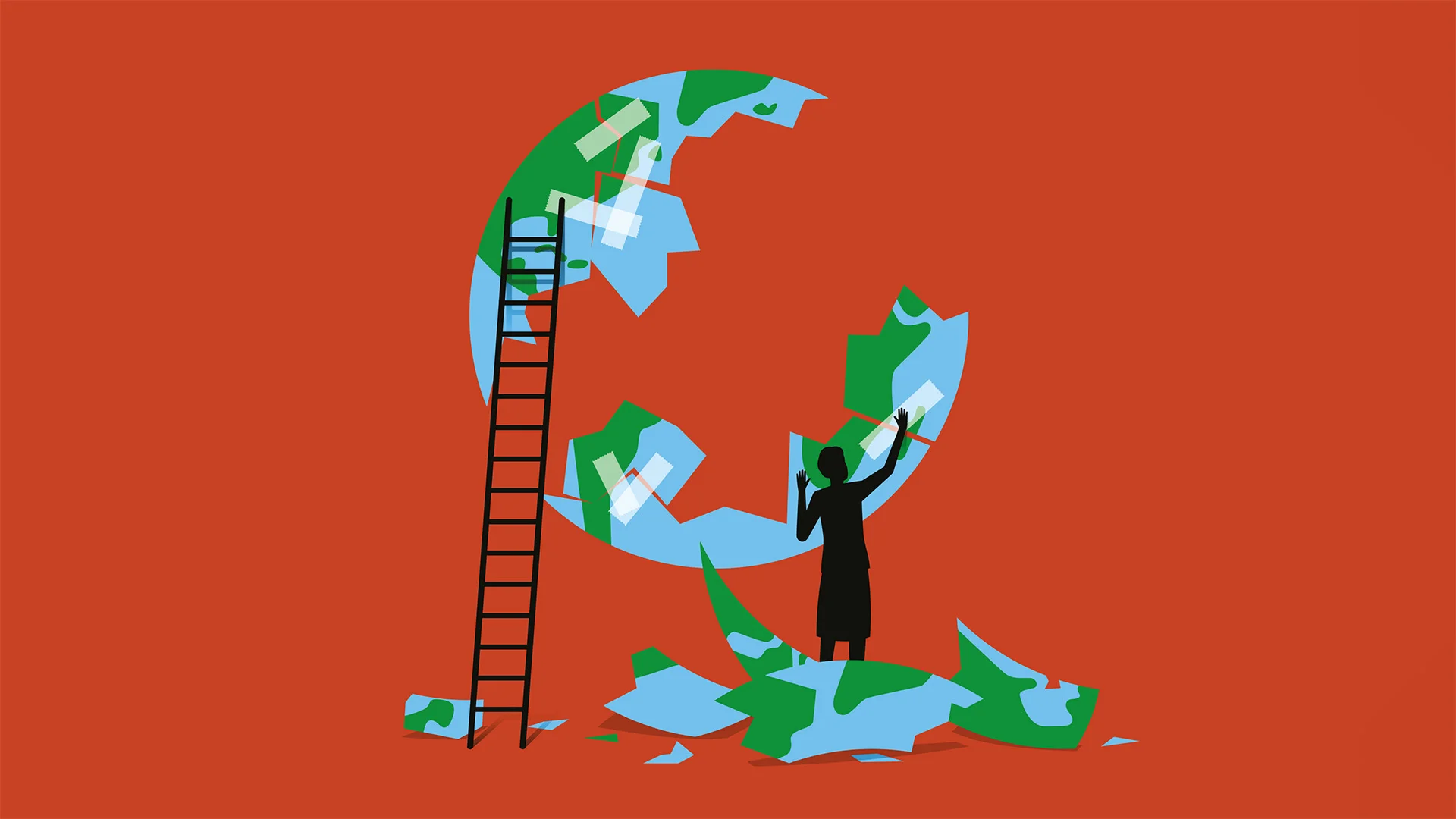
While a majority of Americans consider recycling important, only a small fraction of plastic packaging actually completes the recycling process, according to the U.S. Environmental Protection Agency (EPA). New research published in the Journal of Consumer Psychology reveals that the mere availability of recycling can paradoxically lead to an increase in overall waste generation.
The study found that participants consumed more paper when a recycling bin was present in their vicinity. A similar effect was observed when recycling bins were placed in restrooms, leading to increased paper towel usage. Researchers attribute this to the reduced sense of guilt associated with consumption when recycling options are available.
This behavioral trap allows individuals to increase their waste output while still perceiving themselves as responsible. Relying on the recycling process, despite its questionable efficacy, provides a sense of control and positive environmental impact, even if the actual benefit is minimal.
This pattern of behavior could also translate to the corporate world, distorting company metrics, accountability, and strategic decisions if they are based on inaccurate or misleading information.