Renaissance Florence's Innovation Secret: Designed Friction, Not Just Proximity
Renaissance Florence's innovation hub thrived on designed collision and mandatory collaboration, not merely physical closeness. Companies can learn from this model.
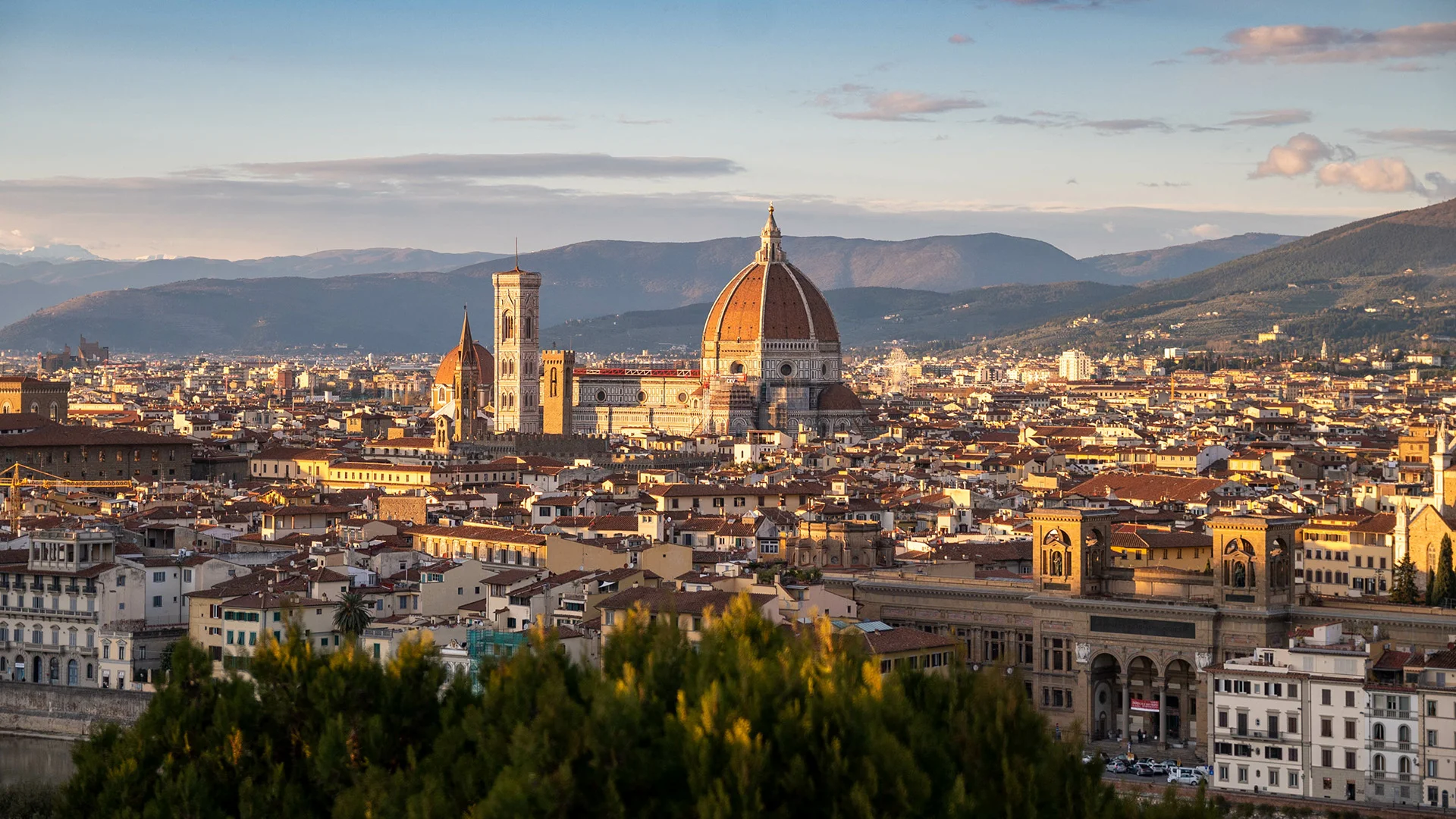
Renaissance Florence's success as an innovation hub was built on "designed friction" and mandatory collisions, not just proximity, writes Tony Martignetti for Inc. Magazine. While the prevailing belief is that simply placing brilliant people near each other sparks innovation, Florence's model was more intricate.
The story of Florence, particularly the construction of the dome for the Santa Maria del Fiore cathedral in the 15th century, highlights the solutions provided by individuals like Filippo Brunelleschi, who lacked formal architectural training but possessed diverse expertise. Their ability to synthesize disparate knowledge was crucial for solving seemingly insurmountable problems.
The common corporate approach, emphasizing open-plan offices and cross-functional teams, often overlooks that true innovation arises from engineered interactions. The Renaissance "bottega" (workshop) forced individuals from various trades—goldsmiths, mathematicians, stonemasons—to collaborate on a single project, requiring them to merge their distinct skills.
Furthermore, Florence deliberately employed competition. For instance, Brunelleschi was appointed co-superintendent for the dome project alongside his rival, Lorenzo Ghiberti, even sharing the same salary. This "designed friction" and intense rivalry were believed to yield superior results compared to mere comfort.
The article argues that companies should focus on creating structural mechanisms for collaboration and intentional competition to foster innovation, rather than relying solely on headcount or passive proximity. True breakthroughs emerge from designed challenges and enforced collaboration.