Report: Equitable Benefit Sharing Lacking in ASEAN's Critical Minerals Trade
A new report indicates that Southeast Asian countries are often excluded from the value chains of their critical minerals and the resulting economic benefits. The study calls for stronger governance and more equitable distribution mechanisms.
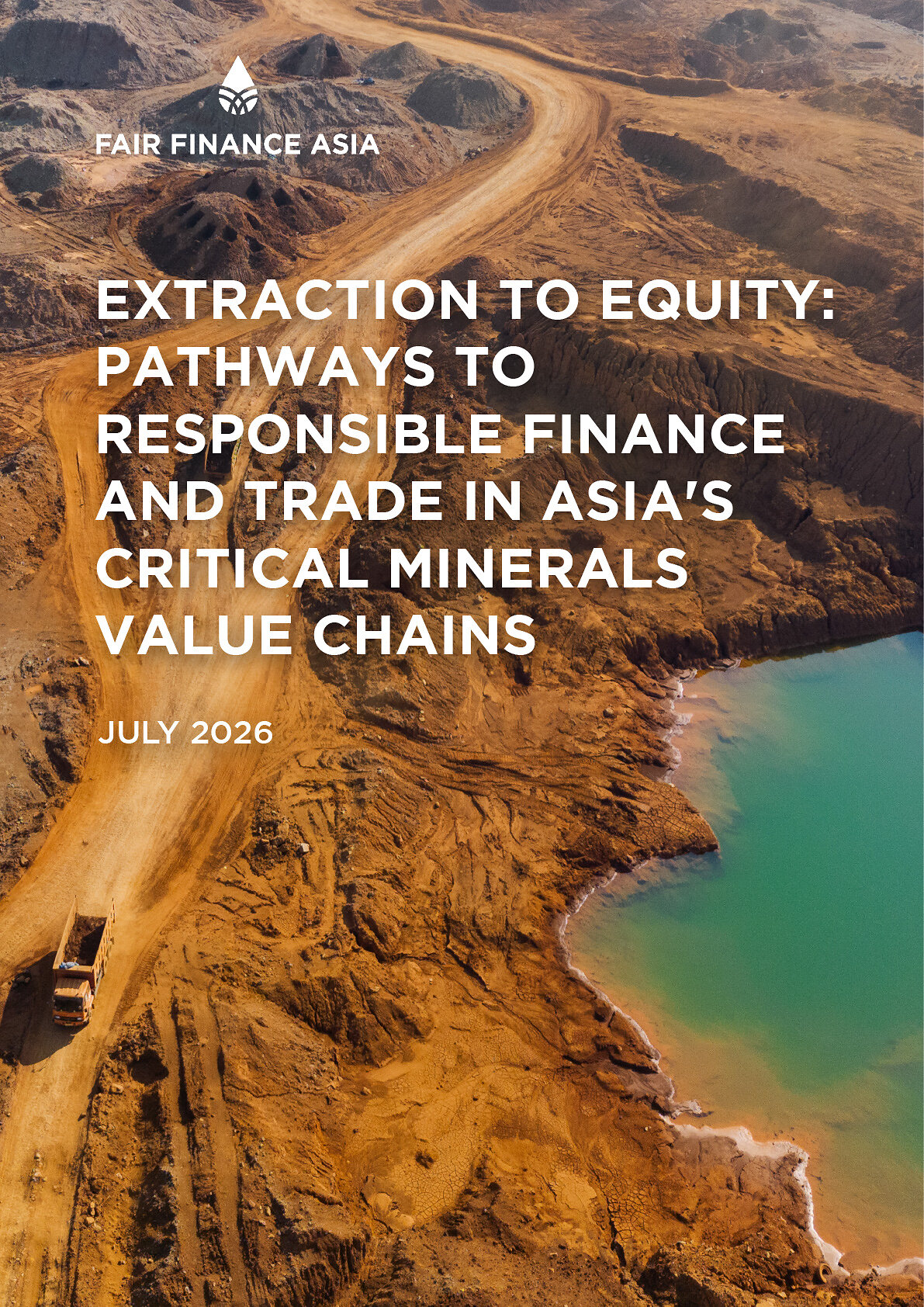
Phnom Penh, Cambodia – Southeast Asian (ASEAN) member states are frequently excluded from the value chains of their critical minerals, missing out on significant economic benefits, according to a new report by the Fair Finance Asia (FFA) network and research partner Profundo. The report, titled "Extraction to Equity," is among the first to analyze the region's critical mineral trade agreements and their financing.
The study examines whether deals involving Cambodia, Indonesia, the Philippines, and Thailand are advancing environmental, social, and governance (ESG) standards. Based on information available up to December 2025, the report found a consistent absence of clauses that ensure local benefits, sustainability standards, and equitable value sharing in agreements and memorandums of understanding (MoUs). This results in resource-rich countries exporting raw minerals while processing occurs elsewhere.
The report also raises questions about the drivers of demand, suggesting a significant portion may be linked to defense rather than the renewable energy sector, and questions whose needs are being prioritized in these transactions. Fair Finance Asia and Profundo urge ASEAN member states and their financial regulators to promote alternatives to extractivism and to endorse UN Principles guiding critical energy transition minerals towards equity and justice.
The findings highlight a critical need for enforceable safeguards that guarantee community rights, free, prior, and informed consent, and transparent benefit-sharing. Such measures are essential to ensure that the profits derived from critical minerals contribute to equitable development within the region, rather than solely benefiting external parties.