Report: Pacific undersea cables face increasing sabotage risks
Rising geopolitical tensions have heightened scrutiny over the vulnerability of critical subsea infrastructure owned by major U.S. technology firms.
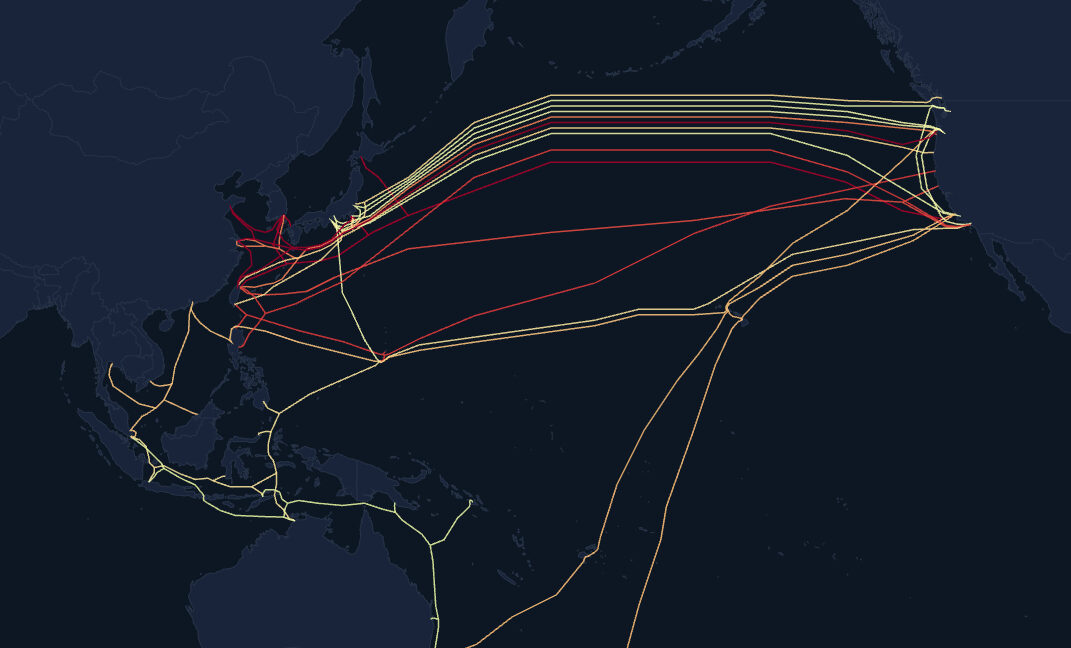
Undersea cable networks operated by U.S. technology giants including Google and Meta are facing increased risks of deep-sea sabotage, according to a report highlighted by Ars Technica. The findings, published by the U.S.-China Economic and Security Review Commission, suggest that Chinese vessels have engaged in suspicious surveying activities along key subsea infrastructure routes.
While the majority of cable outages are traditionally attributed to accidental damage from commercial fishing equipment or anchoring, recent international instability has shifted the perspective of analysts. Intelligence reports indicate that foreign powers may be utilizing cable interference as a 'gray zone' tactic, designed to disrupt digital connectivity without escalating into overt military confrontation.
The report underscores the strategic importance of these networks, which form the physical backbone of the global internet. With international scrutiny intensifying, the security of these subsea assets remains a significant concern for both corporate operators and government regulators responsible for protecting critical communications infrastructure.